


Deep learning-based prediction of high-strain-rate shock response in metastable high-entropy alloys
-
摘要: 亚稳态高熵合金因其在高应变率下优异的力学性能而受到广泛关注,然而,由于对其微观结构与冲击响应关系的认识不足,限制了其在高应变率下的工程应用。为此,采用一种结合晶体塑性有限元方法和卷积神经网络的深度学习框架,阐明了微观结构与冲击响应之间的关系。基于晶体塑性模拟收集数据集,该数据集包含高应变率下亚稳态高熵合金在拉伸、压缩及剪切载荷条件下不同织构的完整应力-应变响应和相变体积分数的演变。构建了一个双分支卷积神经网络模型,输入为织构和载荷条件。该模型的两个分支用于预测不同的输出,即应力-应变曲线与马氏体体积分数的演变。基于收集的数据集对卷积神经网络模型进行训练。结果表明,该模型能够准确预测高应变率条件下亚稳态高熵合金的冲击响应。该研究进一步证明了深度学习框架在保证预测精度的同时,相比晶体塑性有限元模拟具有显著的计算效率优势,为高效评估高应变率下亚稳态高熵合金的力学行为提供了一种新思路。Abstract: Metastable high-entropy alloys (HEA) have attracted considerable attention due to their exceptional mechanical properties at high strain rates. However, their engineering applications under high strain rates are limited, which stems from an inadequate understanding of the relationship between microstructure and impact response. An end-to-end deep learning framework has been implemented, combining the crystal plasticity finite element (CPFE) method with a convolutional neural network (CNN) to elucidate the mapping between microstructure and shock response. A crystal plasticity constitutive model, which couples dislocation slip and martensitic transformation mechanisms, has been developed and validated against experimental results, confirming the model's effectiveness. Based on this constitutive model, a dataset for training the deep learning model is generated, including the complete stress-strain response and martensite volume fraction evolution of metastable HEA with corresponding textures and loading conditions at high strain rates. The two-branch CNN model is used to extract microstructural features. Its input is microstructural information in image format and loading conditions, and its output consists of two branches corresponding to stress-strain curves and the evolution of martensite volume fraction. The collected dataset was used to train the CNN model. The results show that the model can accurately predict the shock response of metastable HEA under high strain rate conditions. This study demonstrates that the deep learning framework, while maintaining predictive accuracy, offers a significant computational efficiency advantage over CPFE simulations. It provides a novel approach for efficiently assessing the mechanical behavior of metastable high-entropy alloys under high strain rates.
-
Key words:
- deep learning /
- shock response /
- crystal plasticity /
- metastable high-entropy alloy
-
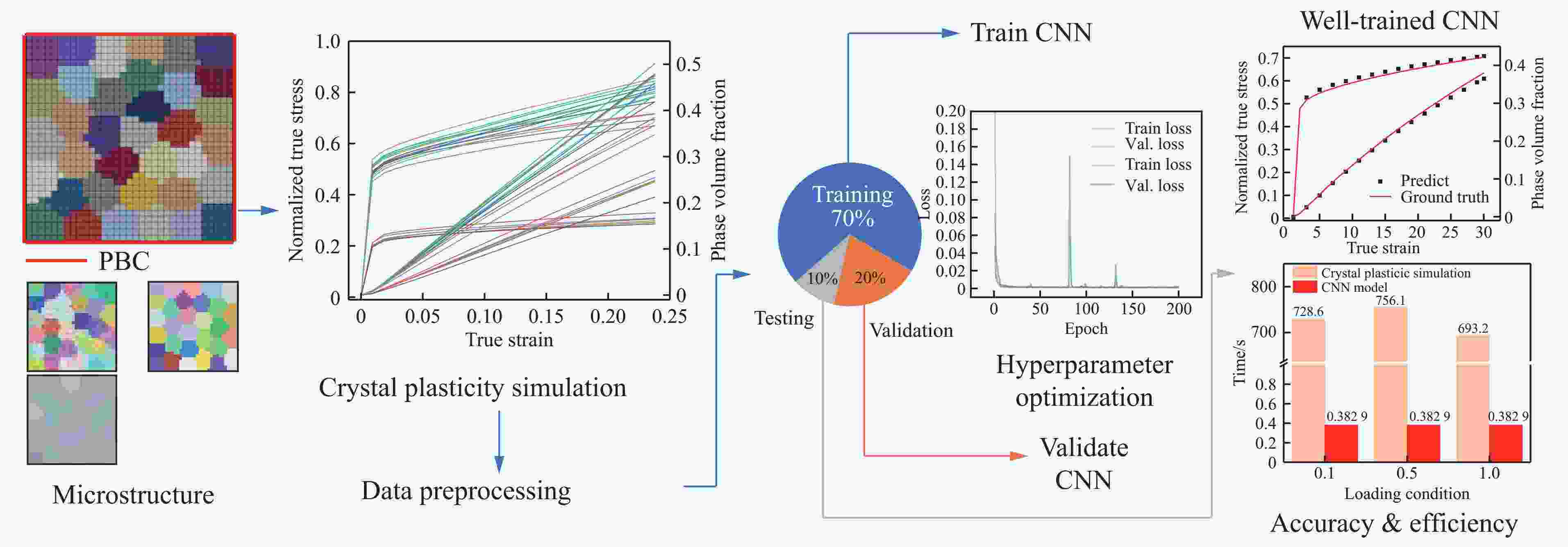
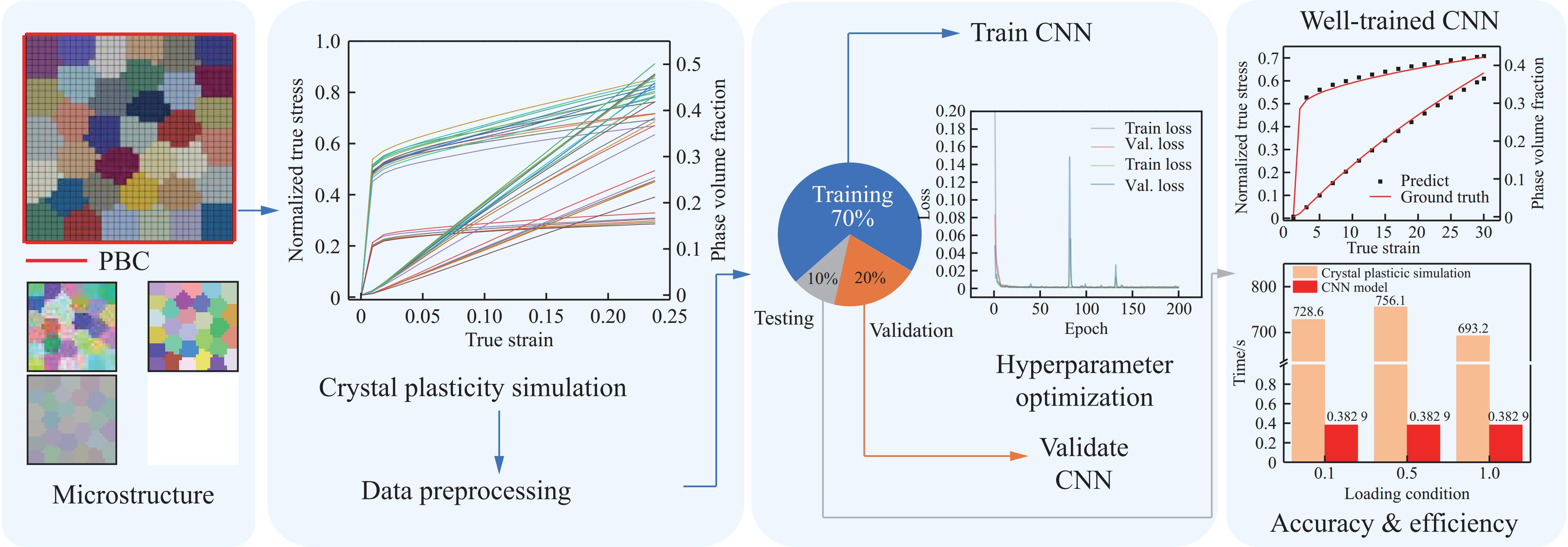
图 1 基于卷积神经网络的冲击响应预测工作流程
Figure 1. Schematic of shock response prediction based on convolutional neural networks
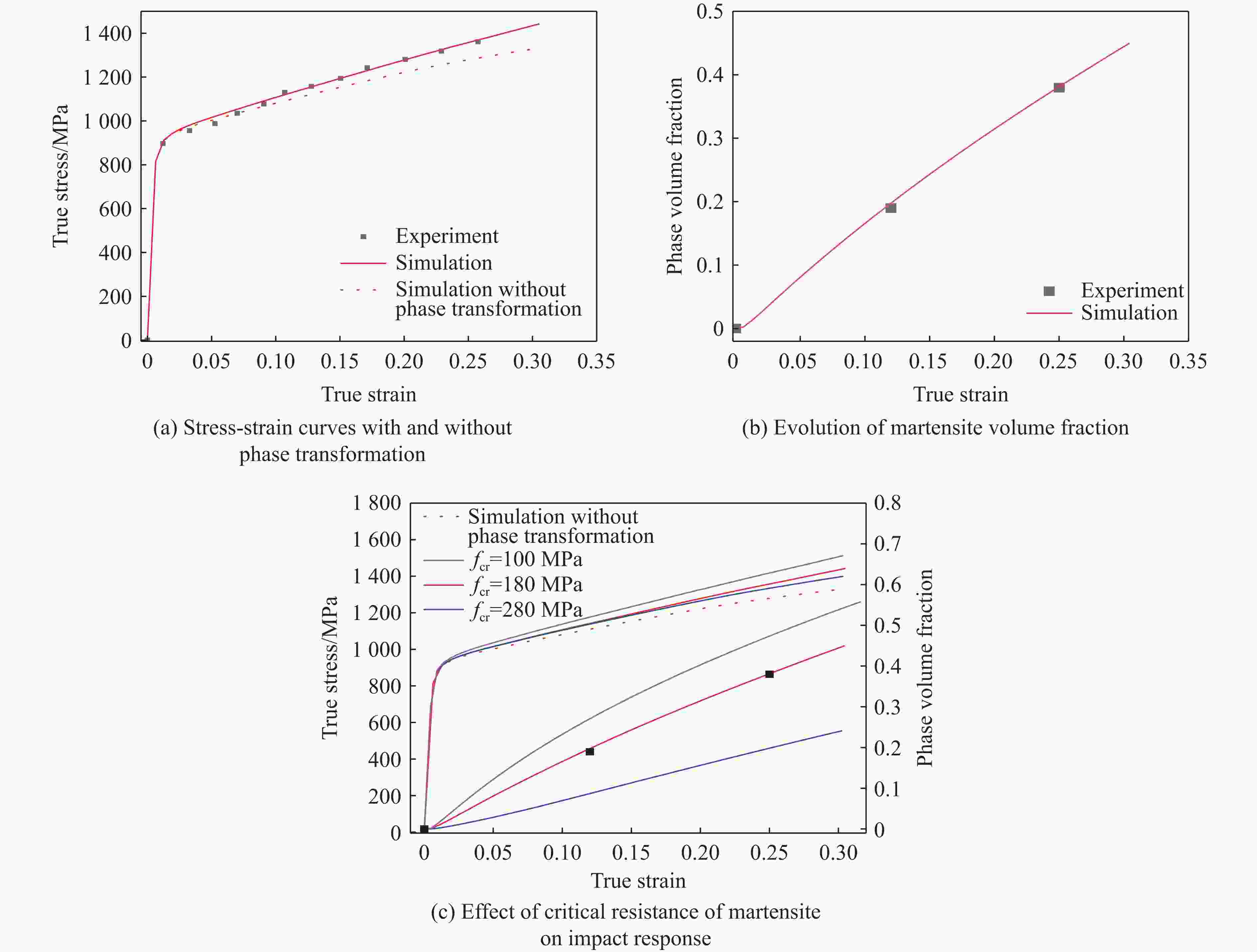
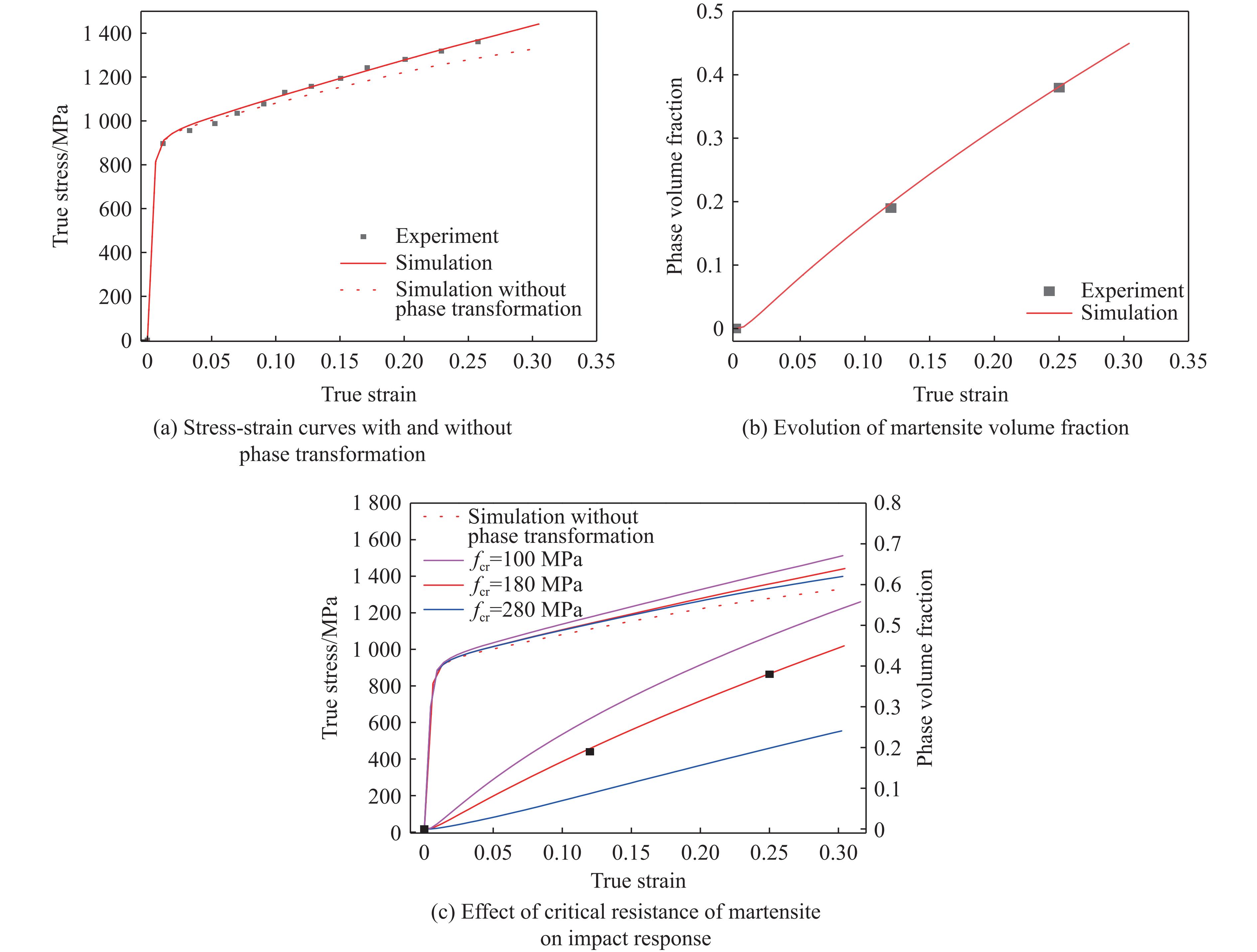
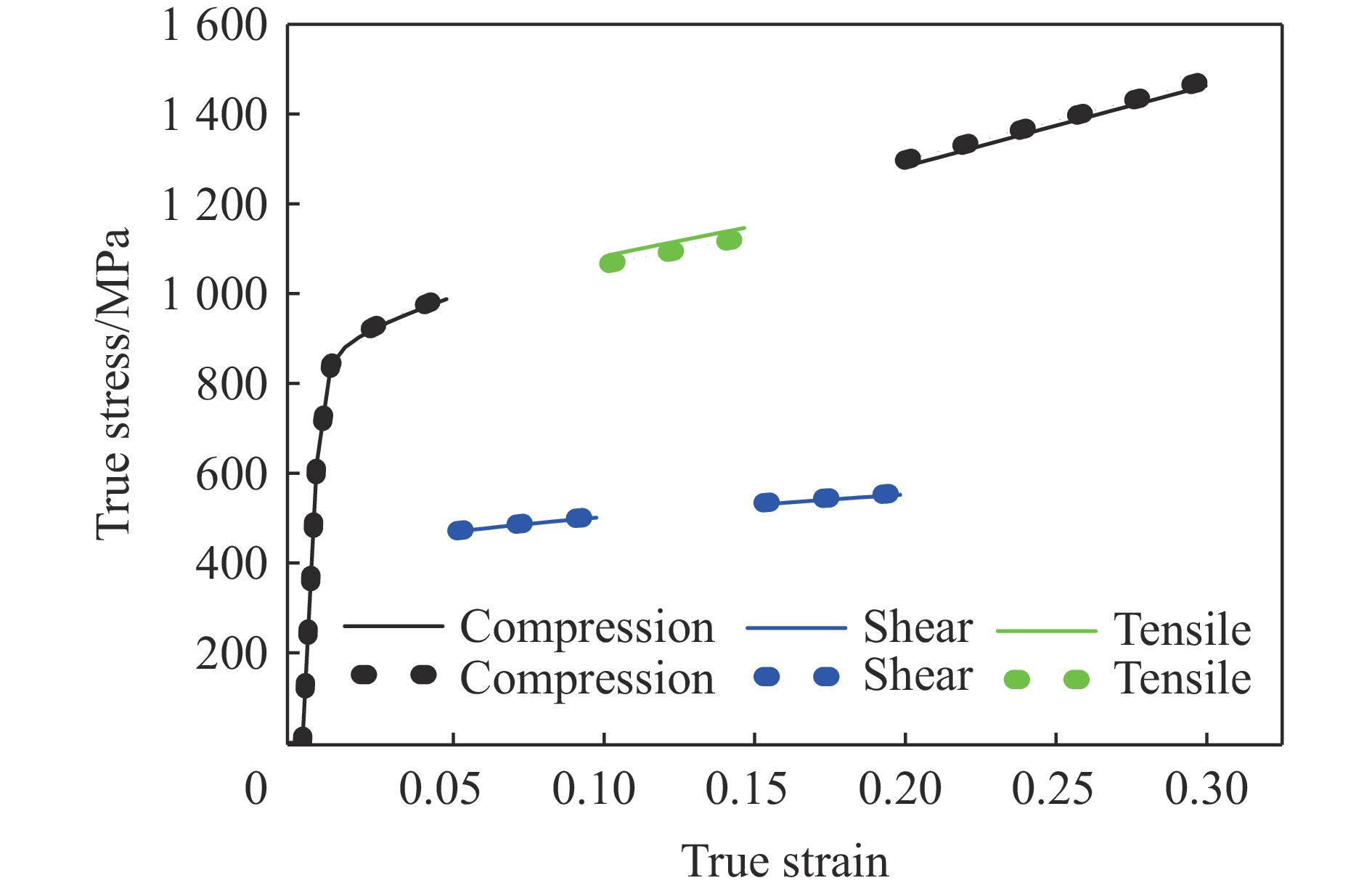
图 4 晶体塑性模拟与实验结果比较
Figure 4. Comparison of crystal plasticity simulation and experimental results
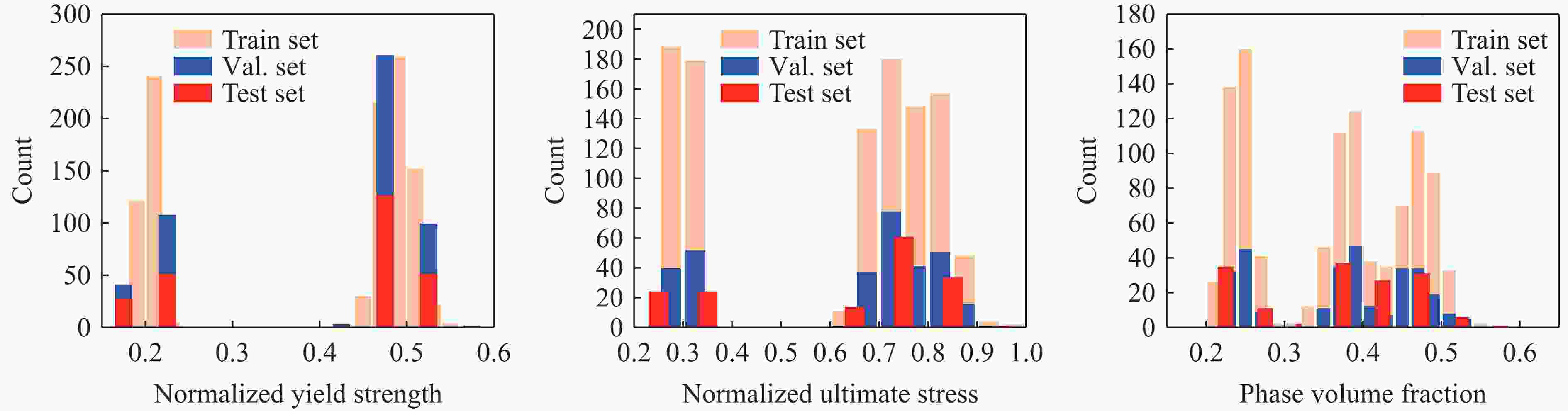
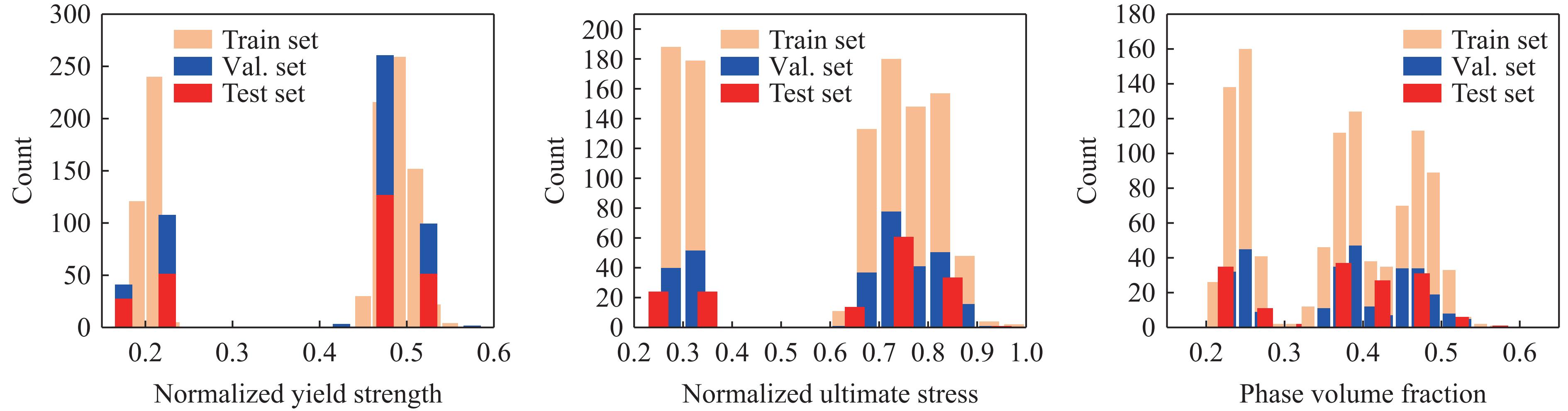
图 6 训练集、验证集和测试集中的数据分布
Figure 6. Data distribution in the training, validation, and test sets
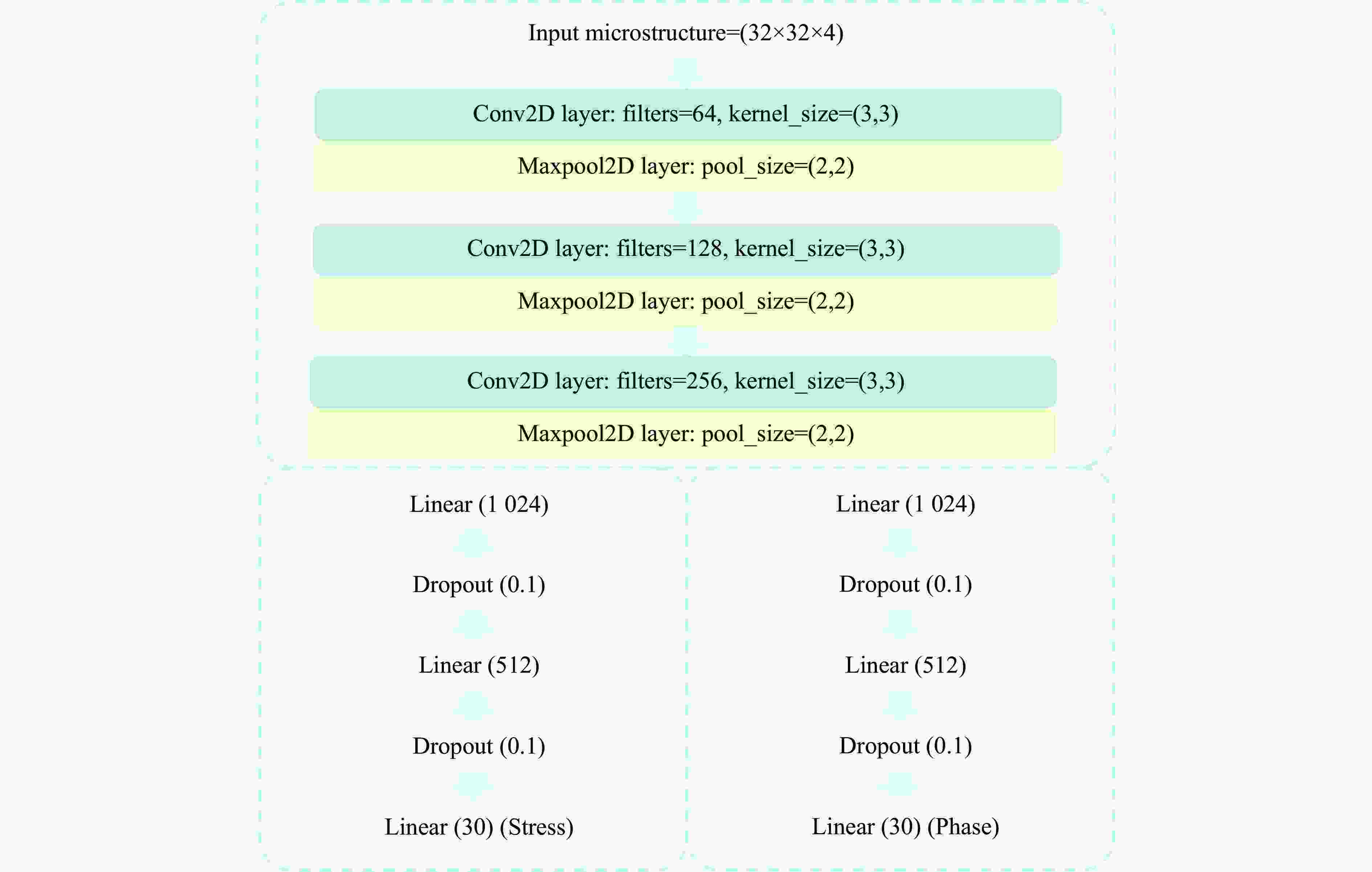
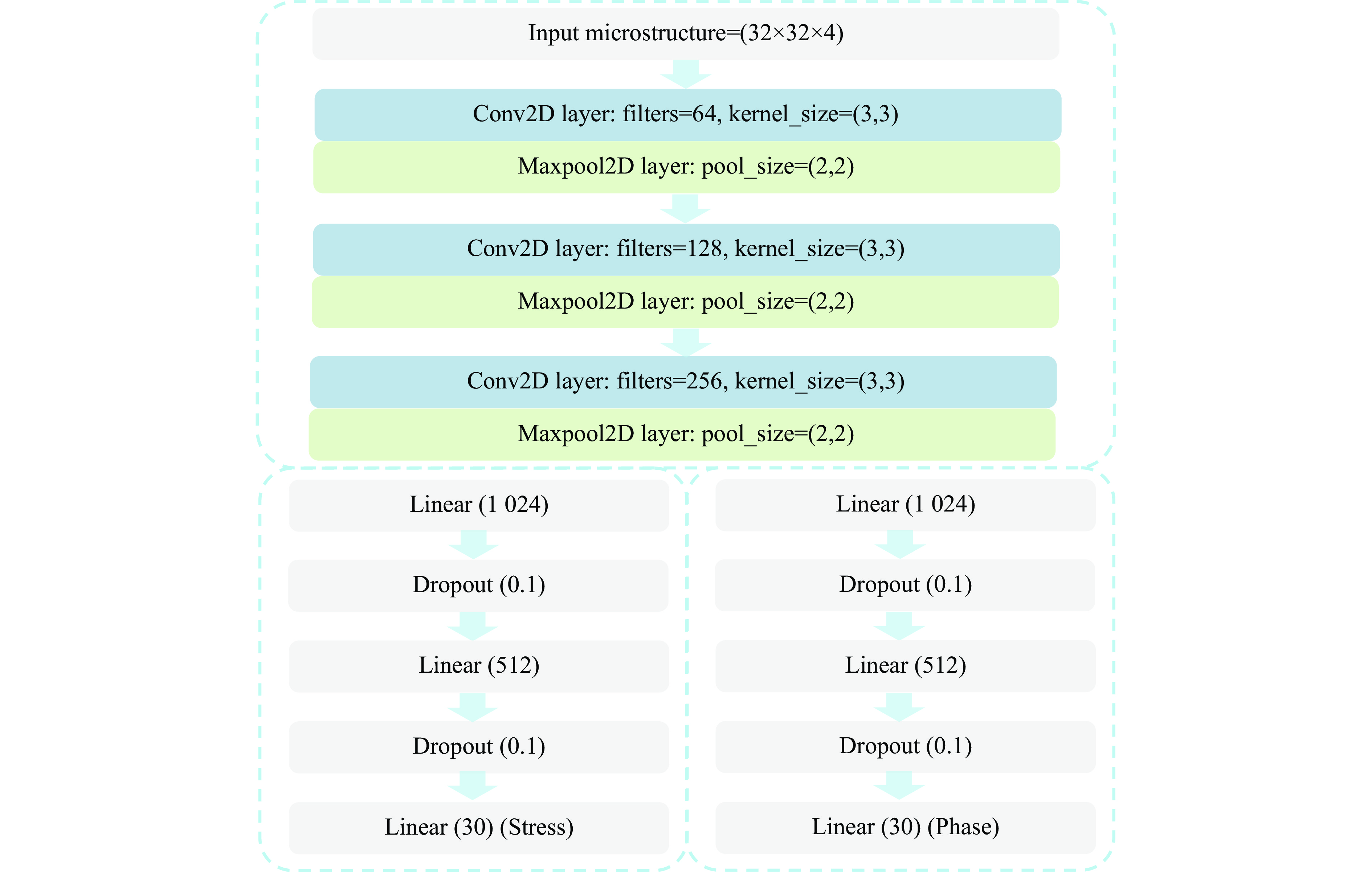
图 7 具有双分支回归器的卷积神经网络模型的详细架构
Figure 7. Convolutional neural network model architecture with a two-branch regressor
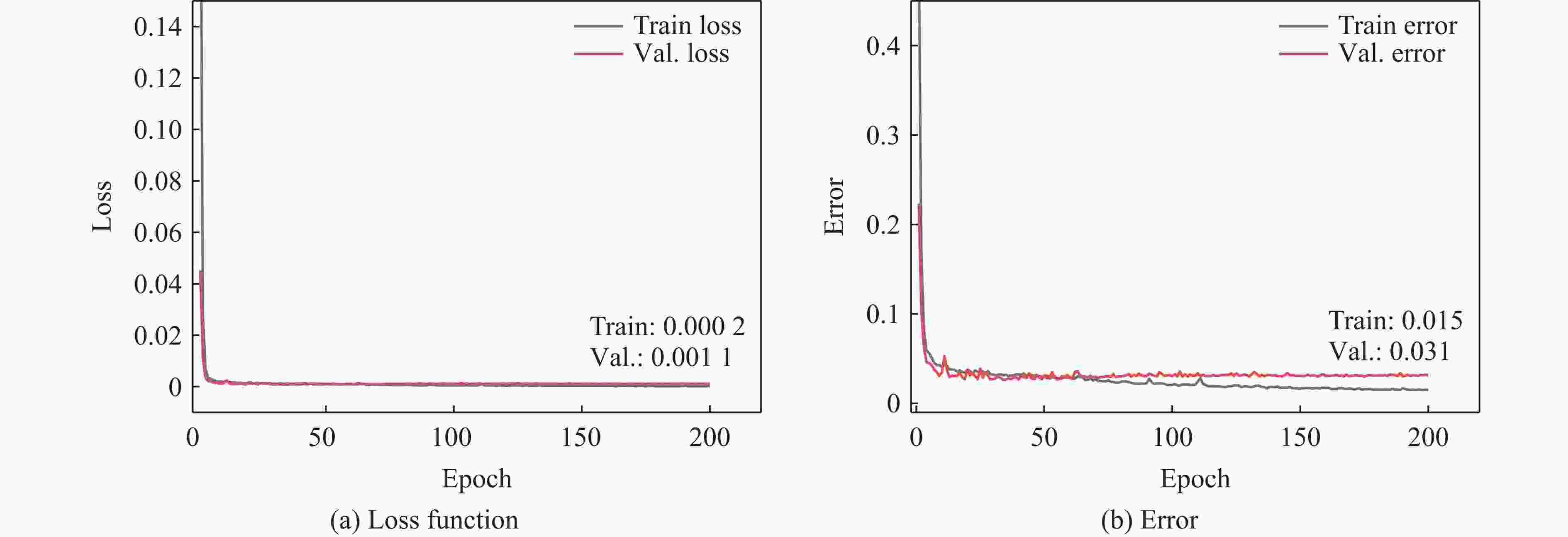
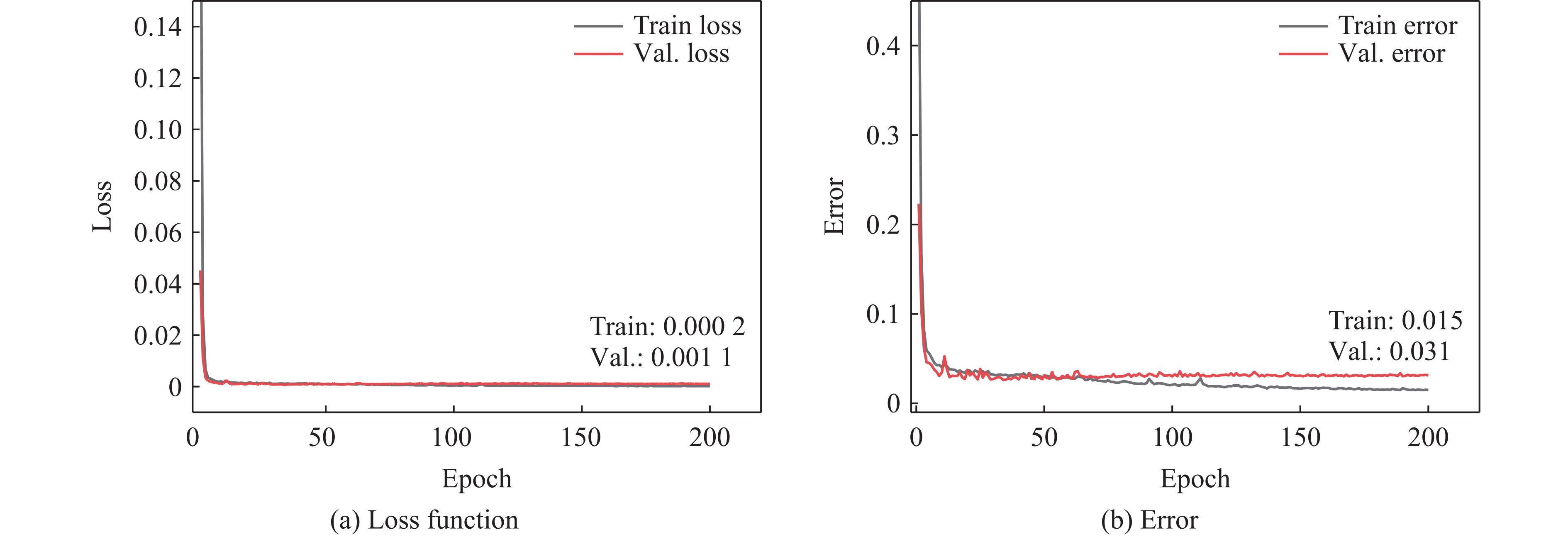
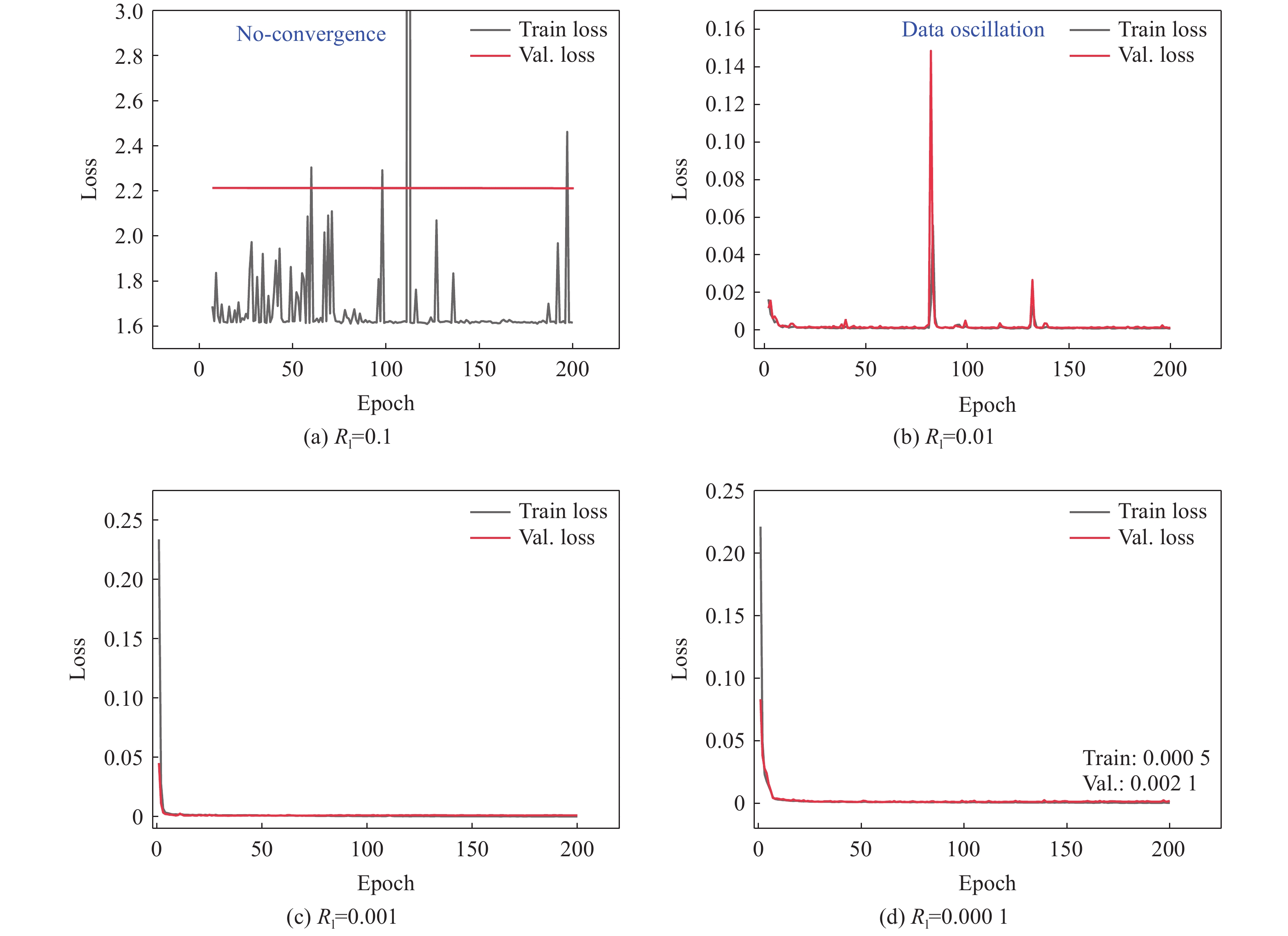
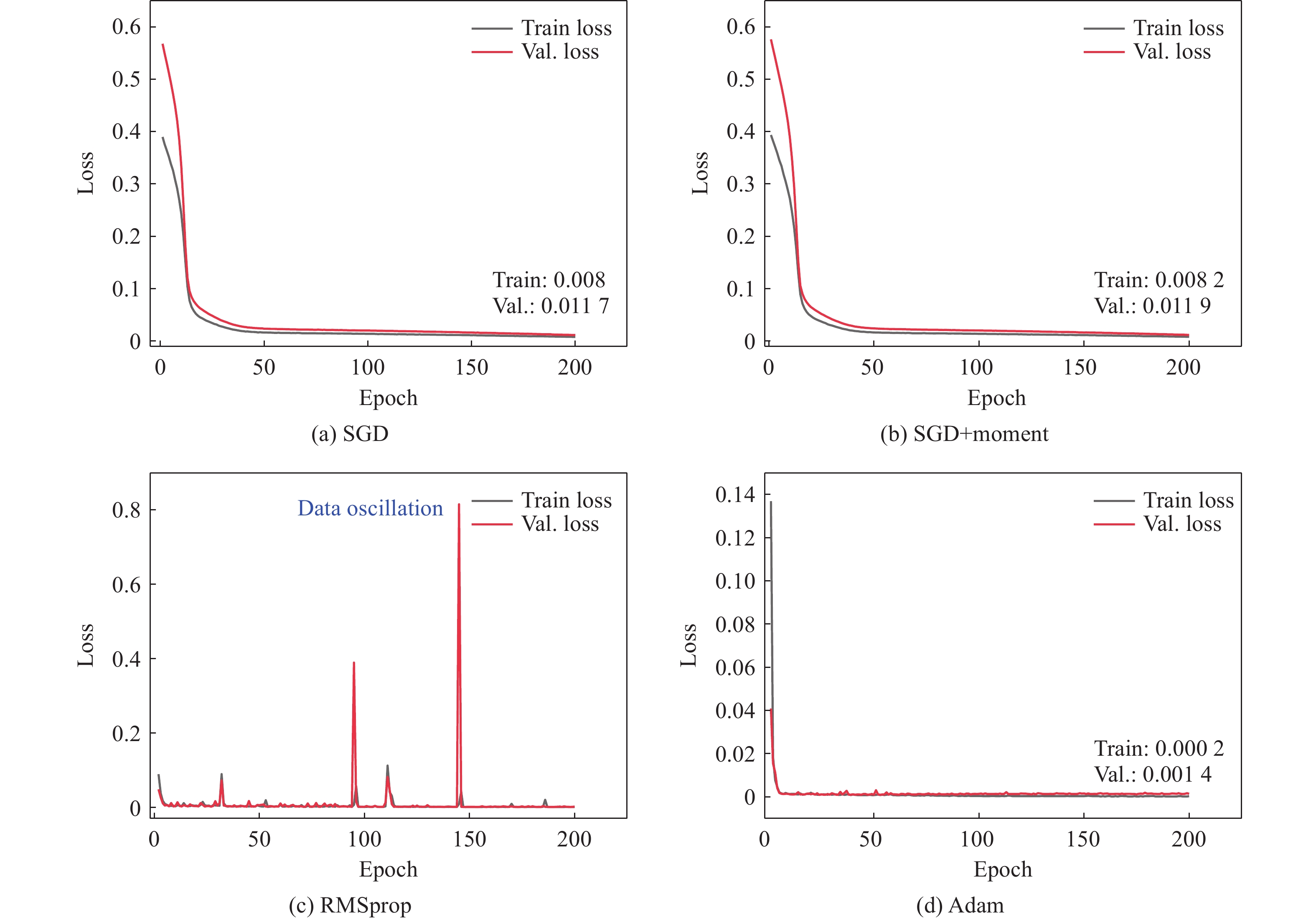
图 8 训练集与测试集上损失函数与误差随训练过程的演化
Figure 8. Evolution of loss function and error on training and test sets during training
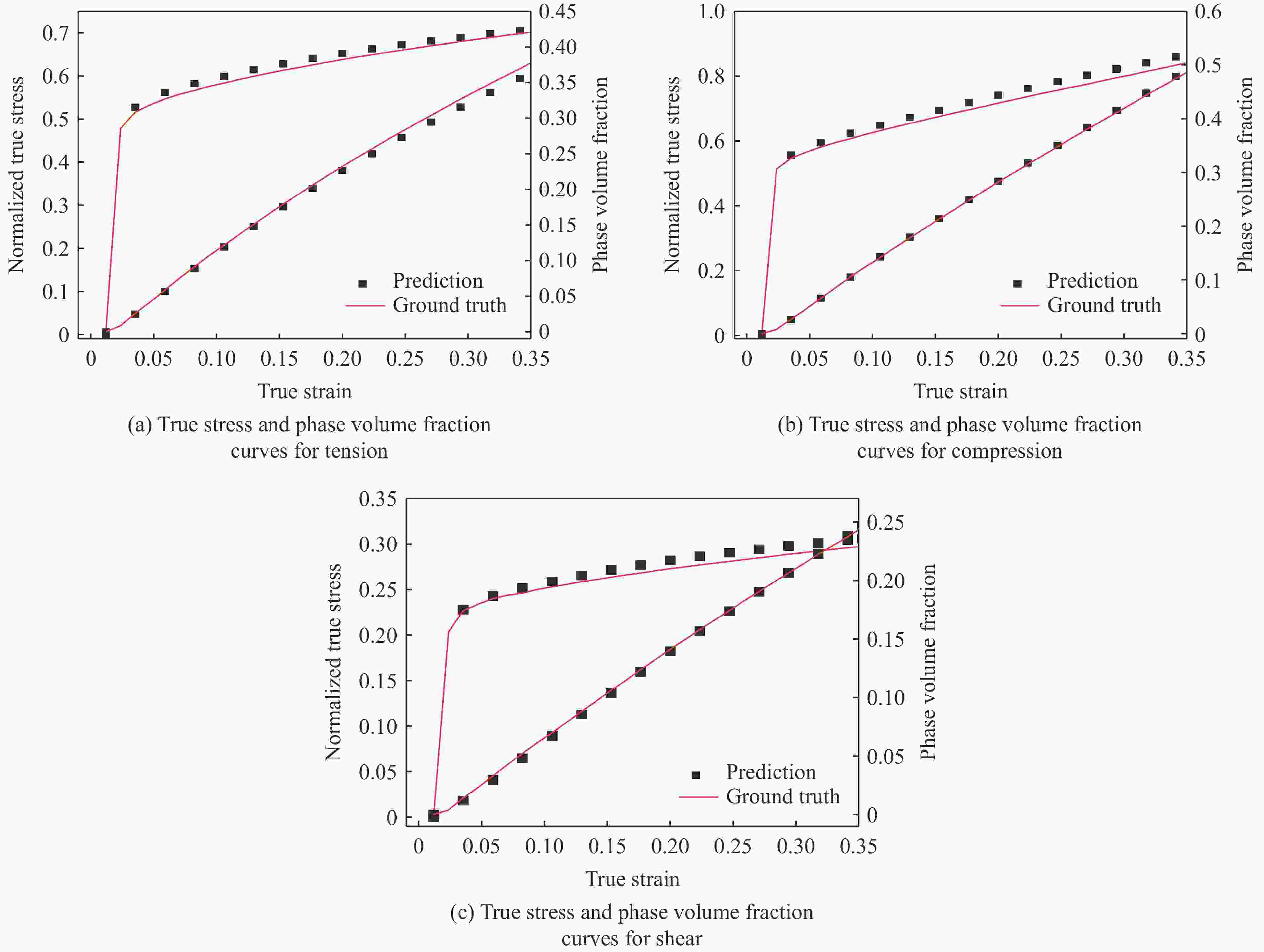
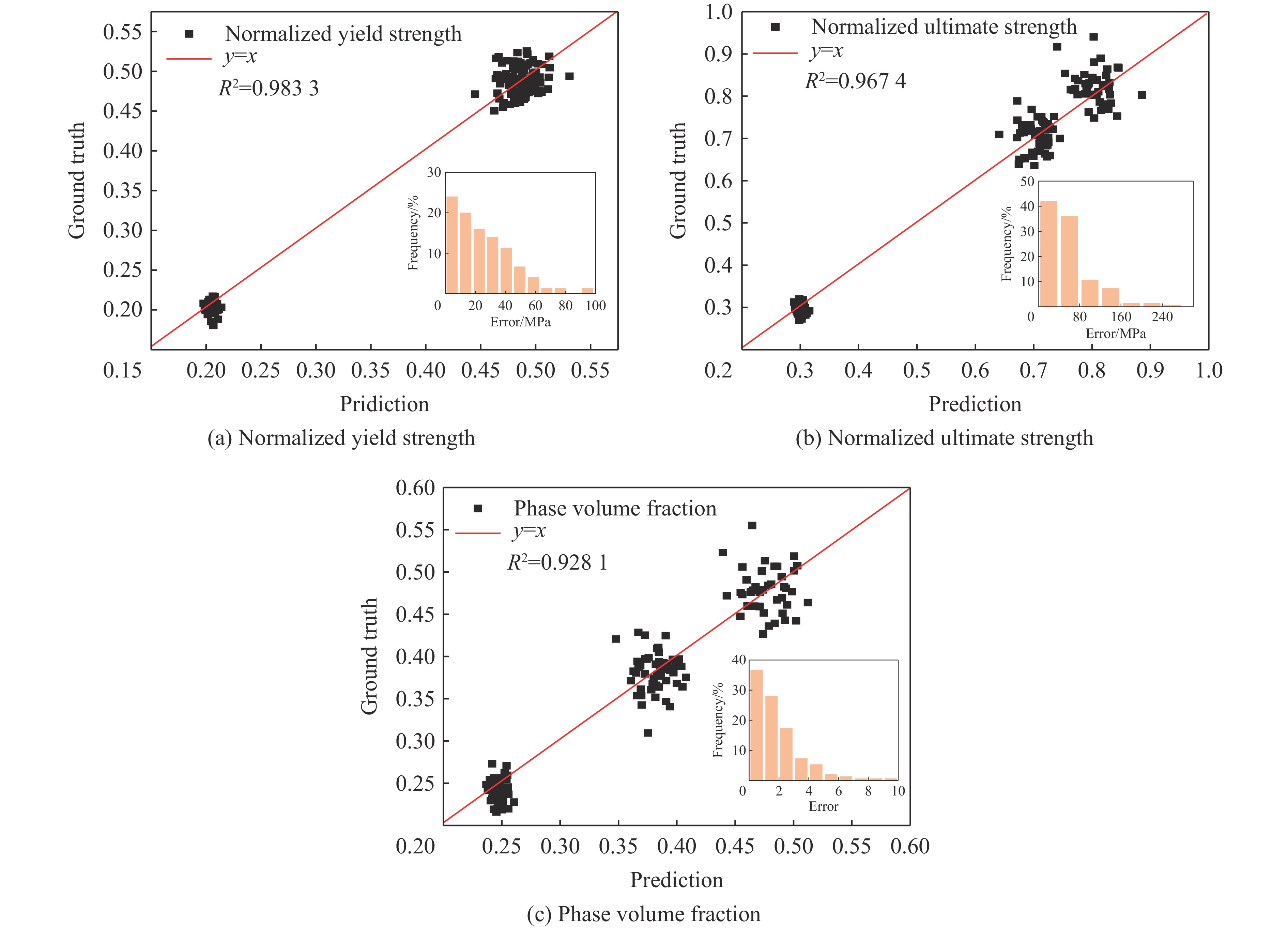
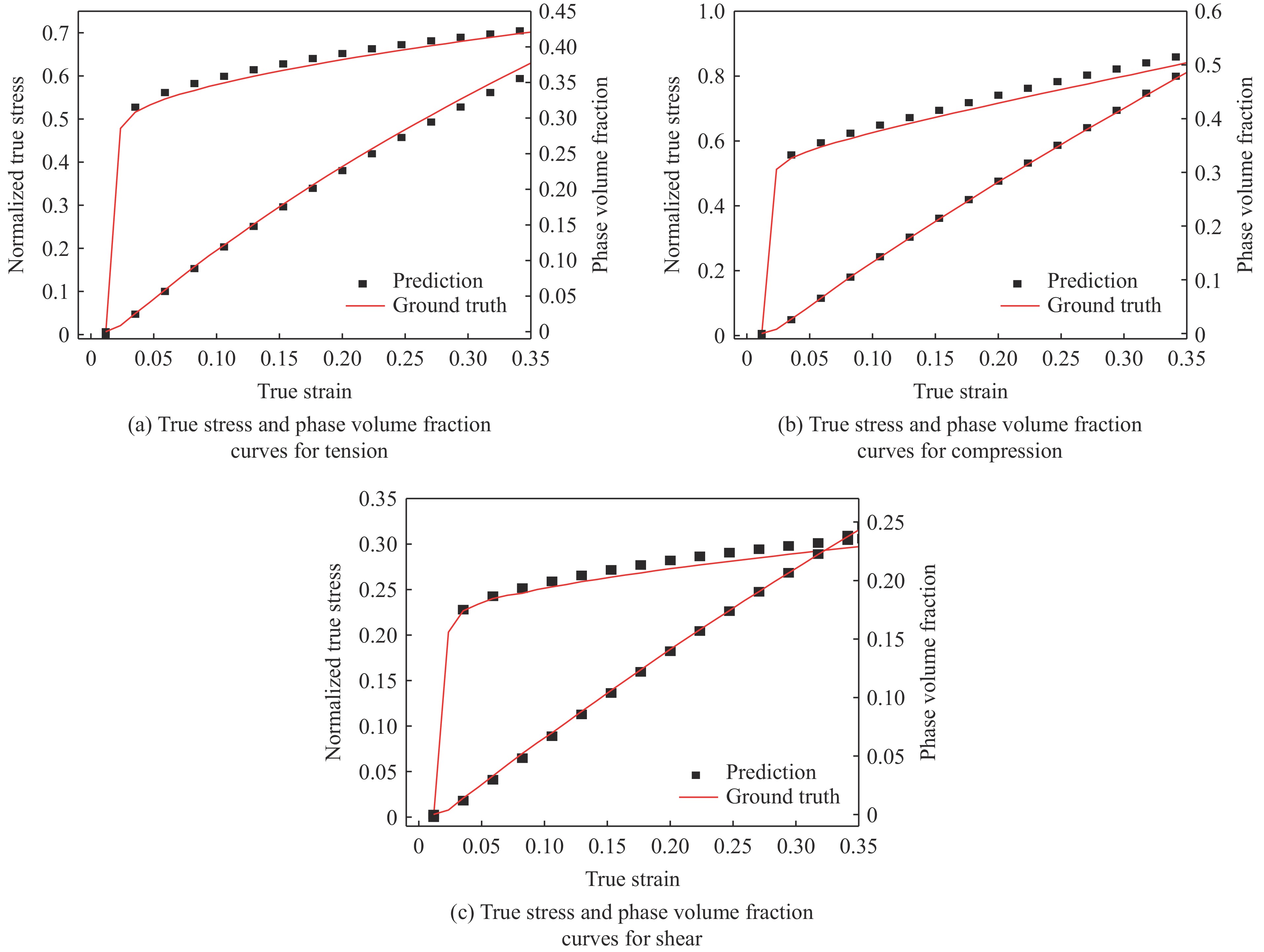
图 10 测试集上预测值与真实值的对比
Figure 10. Comparison of predicted and true values on the test set
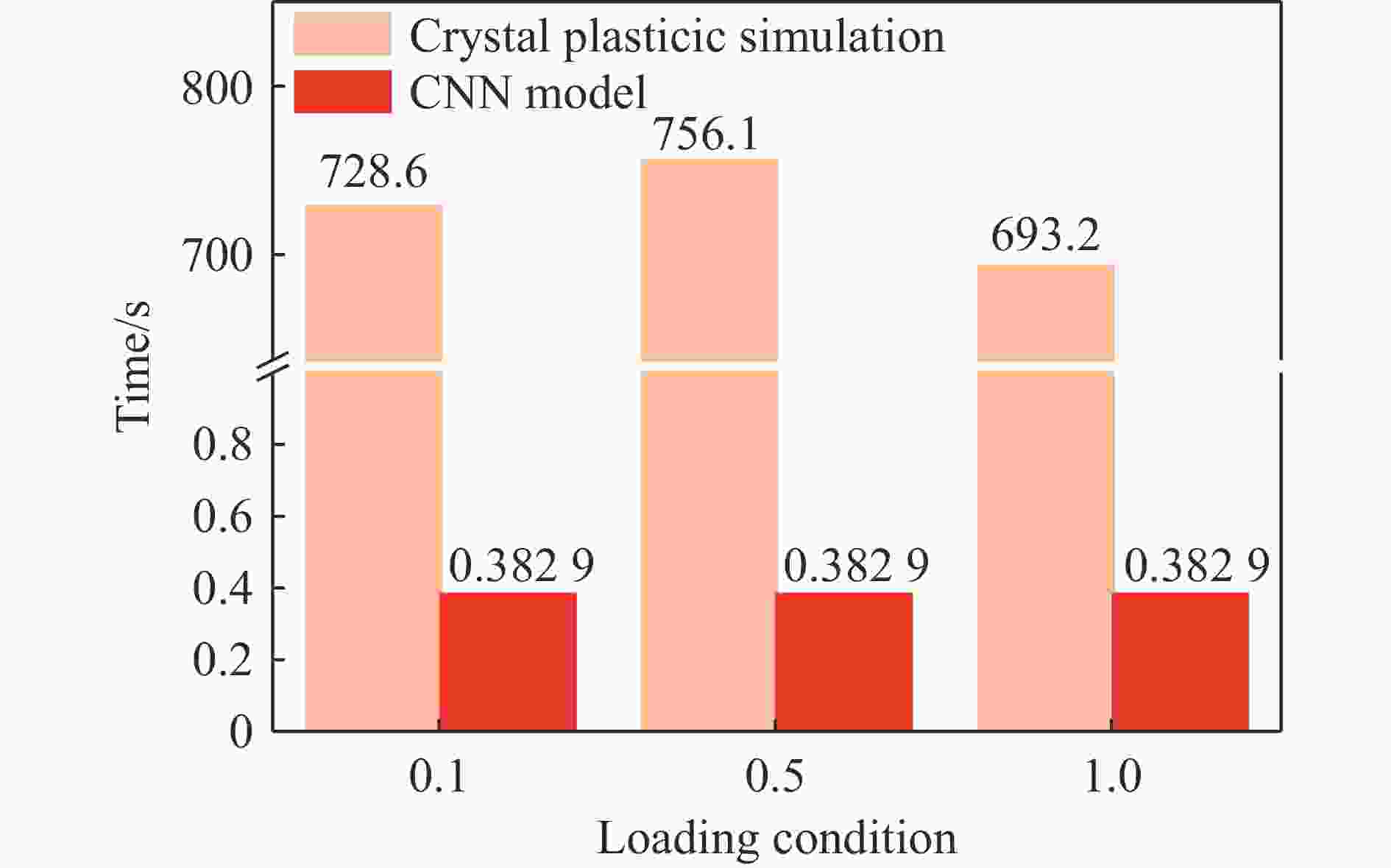
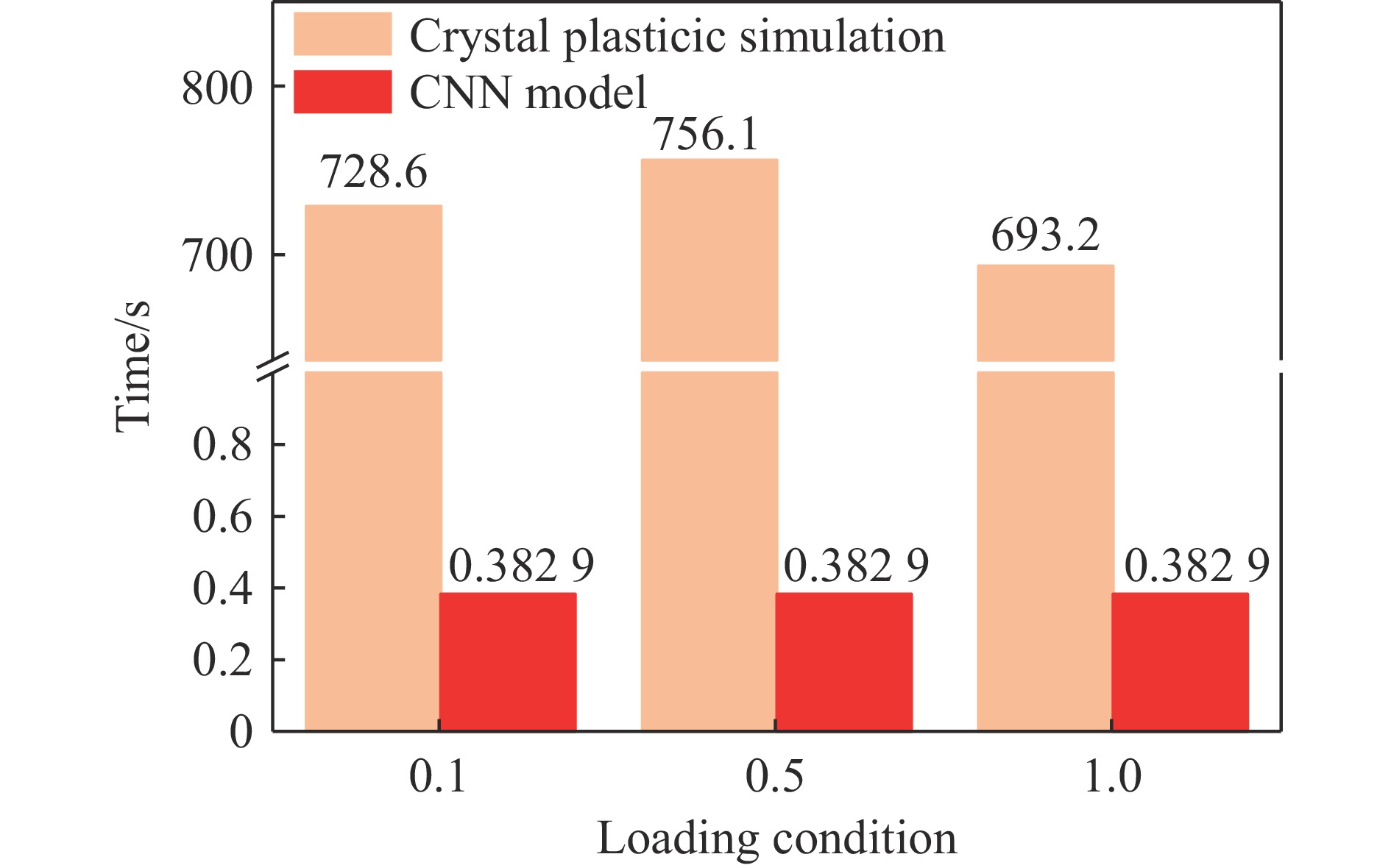
图 13 晶体塑性模拟与卷积神经网络的计算效率比较
Figure 13. Comparison of computational efficiency between crystal plasticity simulation and convolutional neural network
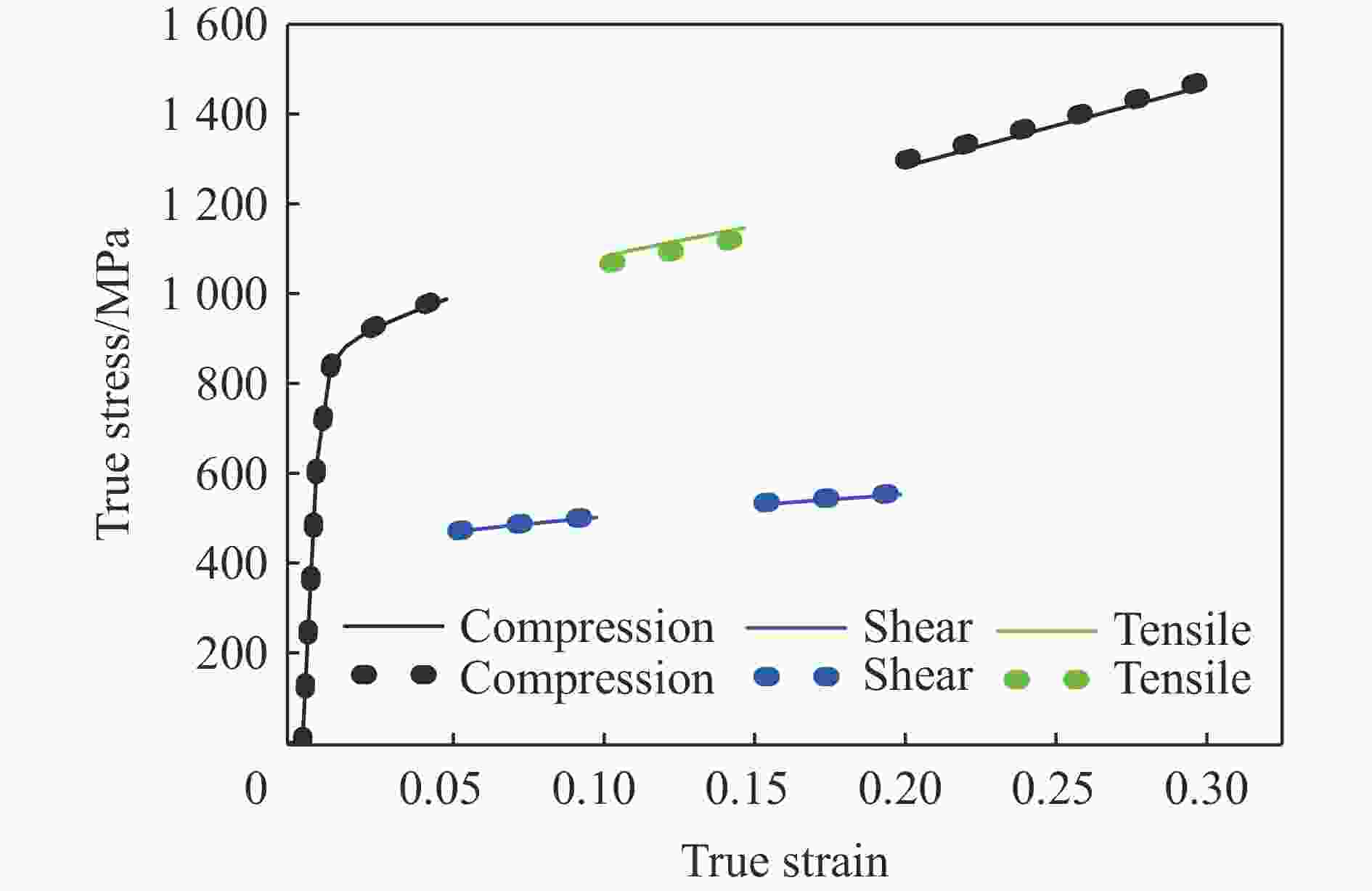
图 14 变加载条件下晶体塑性模拟与卷积神经网络结果对比(实线:晶体塑性有限元模拟;虚线:卷积神经网络)
Figure 14. Comparison of crystal plasticity simulation and convolutional neural network results under variable loading conditions (solid line: crystal plasticity finite element simulation; dashed line: convolutional neural network)
-
[1] GEORGE E P, CURTIN W A, TASAN C C. High entropy alloys: a focused review of mechanical properties and deformation mechanisms [J]. Acta Materialia, 2020, 188: 435–474. DOI: 10.1016/j.actamat.2019.12.015. [2] HE Z F, JIA N, WANG H W, et al. The effect of strain rate on mechanical properties and microstructure of a metastable FeMnCoCr high entropy alloy [J]. Materials Science and Engineering: A, 2020, 776: 138982. DOI: 10.1016/j.msea.2020.138982. [3] ZHANG N B, ZHANG C X, LI B, et al. Impact response of metastable dual-phase high-entropy alloy Cr10Mn30Fe50Co10 [J]. Journal of Alloys and Compounds, 2023, 965: 171341. DOI: 10.1016/j.jallcom.2023.171341. [4] XU J, LIANG L, TONG W, et al. Role of strain rate in phase stability and deformation mechanism of non-equiatomic Fe38-xMn30Co15Cr15Ni2Gdx high-entropy alloy [J]. Materials Characterization, 2022, 194: 112356. DOI: 10.1016/j.matchar.2022.112356. [5] WANG P, BU Y Q, LIU J B, et al. Atomic deformation mechanism and interface toughening in metastable high entropy alloy [J]. Materials Today, 2020, 37: 64–73. DOI: 10.1016/j.mattod.2020.02.017. [6] WANG K Y, CHENG Z J, LIU C Y, et al. Deformation behavior and strengthening mechanisms of high-entropy alloys under high strain rate across wide temperature ranges [J]. International Journal of Plasticity, 2025, 189: 104321. DOI: 10.1016/j.ijplas.2025.104321. [7] WANG X, DE VECCHIS R R, LI C Y, et al. Design metastability in high-entropy alloys by tailoring unstable fault energies [J]. Science Advances, 2022, 8(36): eabo7333. DOI: 10.1126/sciadv.abo7333. [8] WERNER K V, NAEEM M, NIESSEN F, et al. Experimental and computational assessment of the temperature dependency of the stacking fault energy in face-centered cubic high-entropy alloys [J]. Acta Materialia, 2024, 278: 120271. DOI: 10.1016/j.actamat.2024.120271. [9] SONG H, KIM D G, KIM D W, et al. Effects of strain rate on room- and cryogenic-temperature compressive properties in metastable V10Cr10Fe45Co35 high-entropy alloy [J]. Scientific Reports, 2019, 9(1): 6163. DOI: 10.1038/s41598-019-42704-x. [10] YANG J P, AN W, LIU C Z, et al. Strength-plasticity synergy of metastable Fe40Mn40Co10Cr10 high entropy alloy at high strain rate and cryogenic temperature [J]. Materials Science and Engineering: A, 2025, 941: 148635. DOI: 10.1016/j.msea.2025.148635. [11] XIE H, MA Z, ZHANG W, et al. Phase transition in shock compressed high-entropy alloy FeNiCrCoCu [J]. International Journal of Mechanical Sciences, 2023, 238: 107855. DOI: 10.1016/j.ijmecsci.2022.107855. [12] LIU S S, FENG G Z, XIAO L J, et al. Shock-induced dynamic response in single and nanocrystalline high-entropy alloy FeNiCrCoCu [J]. International Journal of Mechanical Sciences, 2023, 239: 107859. DOI: 10.1016/j.ijmecsci.2022.107859. [13] XU W Z, GENG Y X, ZHENG H Z, et al. Microstructural evolution of FeCoNiCrMn high-entropy alloy subjected to laser shock peening: molecular dynamics simulation study [J]. Next Materials, 2025, 7: 100523. DOI: 10.1016/j.nxmate.2025.100523. [14] EUSER V K, JONES D R, MARTINEZ D T, et al. The effect of microstructure on the dynamic shock response of 1045 steel [J]. Acta Materialia, 2023, 250: 118874. DOI: 10.1016/j.actamat.2023.118874. [15] YANG Y, YANG S J, WANG H M. Effects of microstructure on the evolution of dynamic damage of Fe50Mn30Co10Cr10 high entropy alloy [J]. Materials Science and Engineering: A, 2021, 802: 140440. DOI: 10.1016/j.msea.2020.140440. [16] GAO T J, ZHAO D, ZHANG T W, et al. Strain-rate-sensitive mechanical response, twinning, and texture features of NiCoCrFe high-entropy alloy: experiments, multi-level crystal plasticity and artificial neural networks modeling [J]. Journal of Alloys and Compounds, 2020, 845: 155911. DOI: 10.1016/j.jallcom.2020.155911. [17] ZHOU Z X, HUO Y M, WANG Z J, et al. Experimental investigation and crystal plasticity modelling of dynamic recrystallisation in dual-phase high entropy alloy during hot deformation [J]. Materials Science and Engineering: A, 2025, 922: 147634. DOI: 10.1016/j.msea.2024.147634. [18] CONNOLLY D S, KOHAR C P, INAL K. A novel crystal plasticity model incorporating transformation induced plasticity for a wide range of strain rates and temperatures [J]. International Journal of Plasticity, 2022, 152: 103188. DOI: 10.1016/j.ijplas.2021.103188. [19] DAI W, WANG H M, GUAN Q, et al. Studying the micromechanical behaviors of a polycrystalline metal by artificial neural networks [J]. Acta Materialia, 2021, 214: 117006. DOI: 10.1016/j.actamat.2021.117006. [20] LIU C Z, ZHANG X Y, LIU X, et al. Mechanical field guiding structure design strategy for meta-fiber reinforced hydrogel composites by deep learning [J]. Advanced Science, 2024, 11(22): 2310141. DOI: 10.1002/advs.202310141. [21] WANG K, SUN W. A multiscale multi-permeability poroplasticity model linked by recursive homogenizations and deep learning [J]. Computer Methods in Applied Mechanics and Engineering, 2018, 334: 337–380. DOI: 10.1016/j.cma.2018.01.036. [22] YUAN M F, PARADISO S, MEREDIG B, et al. Machine learning-based reduce order crystal plasticity modeling for ICME applications [J]. Integrating Materials and Manufacturing Innovation, 2018, 7(4): 214–230. DOI: 10.1007/s40192-018-0123-x. [23] MELLBIN Y, HALLBERG H, RISTINMAA M. Accelerating crystal plasticity simulations using GPU multiprocessors [J]. International Journal for Numerical Methods in Engineering, 2014, 100(2): 111–135. DOI: 10.1002/nme.4724. [24] DE OCA ZAPIAIN D M, LIM H, PARK T, et al. Predicting plastic anisotropy using crystal plasticity and Bayesian neural network surrogate models [J]. Materials Science and Engineering: A, 2022, 833: 142472. DOI: 10.1016/j.msea.2021.142472. [25] IBRAGIMOVA O, BRAHME A, MUHAMMAD W, et al. A new ANN based crystal plasticity model for FCC materials and its application to non-monotonic strain paths [J]. International Journal of Plasticity, 2021, 144: 103059. DOI: 10.1016/j.ijplas.2021.103059. [26] TRAN A, WILDEY T. Solving stochastic inverse problems for property-structure linkages using data-consistent inversion and machine learning [J]. JOM, 2021, 73(1): 72–89. DOI: 10.1007/s11837-020-04432-w. [27] LIU J Q, HUANG M S, LI Z H, et al. A deep learning method for predicting microvoid growth in heterogeneous polycrystals [J]. Engineering Fracture Mechanics, 2022, 264: 108332. DOI: 10.1016/j.engfracmech.2022.108332. [28] HAN S Y, WANG C C, LAI Q Q, et al. Fitting-free mechanical response prediction in dual-phase steels by crystal plasticity theory guided deep learning [J]. Acta Materialia, 2025, 289: 120936. DOI: 10.1016/j.actamat.2025.120936. [29] IBRAGIMOVA O, BRAHME A, MUHAMMAD W, et al. A convolutional neural network based crystal plasticity finite element framework to predict localised deformation in metals [J]. International Journal of Plasticity, 2022, 157: 103374. DOI: 10.1016/j.ijplas.2022.103374. [30] HERRIOTT C, SPEAR A D. Predicting microstructure-dependent mechanical properties in additively manufactured metals with machine- and deep-learning methods [J]. Computational Materials Science, 2020, 175: 109599. DOI: 10.1016/j.commatsci.2020.109599. [31] LIU C Z, XIONG Q L, AN W. Shear localization in gradient high-entropy alloy at high strain rates: crystal plasticity modeling [J]. Extreme Mechanics Letters, 2024, 70: 102194. DOI: 10.1016/j.eml.2024.102194. [32] GUI Y, AN D Y, HAN F B, et al. Multiple-mechanism and microstructure-based crystal plasticity modeling for cyclic shear deformation of TRIP steel [J]. International Journal of Mechanical Sciences, 2022, 222: 107269. DOI: 10.1016/j.ijmecsci.2022.107269. [33] ALLEY E S, NEU R W. A hybrid crystal plasticity and phase transformation model for high carbon steel [J]. Computational Mechanics, 2013, 52(2): 237–255. DOI: 10.1007/s00466-012-0810-y. [34] HARIDAS R S, AGRAWAL P, THAPLIYAL S, et al. Strain rate sensitive microstructural evolution in a TRIP assisted high entropy alloy: experiments, microstructure and modeling [J]. Mechanics of Materials, 2021, 156: 103798. DOI: 10.1016/j.mechmat.2021.103798. [35] SOLTANI M, FERDOUSI S, HARIDAS R S, et al. A crystal plasticity finite element—machine learning combined approach for phase transformation prediction in high entropy alloy [J]. International Journal of Applied Mechanics, 2024, 16(2): 2450024. DOI: 10.1142/S1758825124500248. -

 下载:
下载:
计量
- 文章访问数: 327
- HTML全文浏览量: 69
- PDF下载量: 188
- 被引次数: 0