


Analysis of failure behavior and safety performance on sodium-ion batteries under dynamic loads
-
摘要: 钠离子电池因资源丰富和成本优势成为储能领域的重要发展方向,但其机械滥用下的安全性研究仍显不足。本研究以
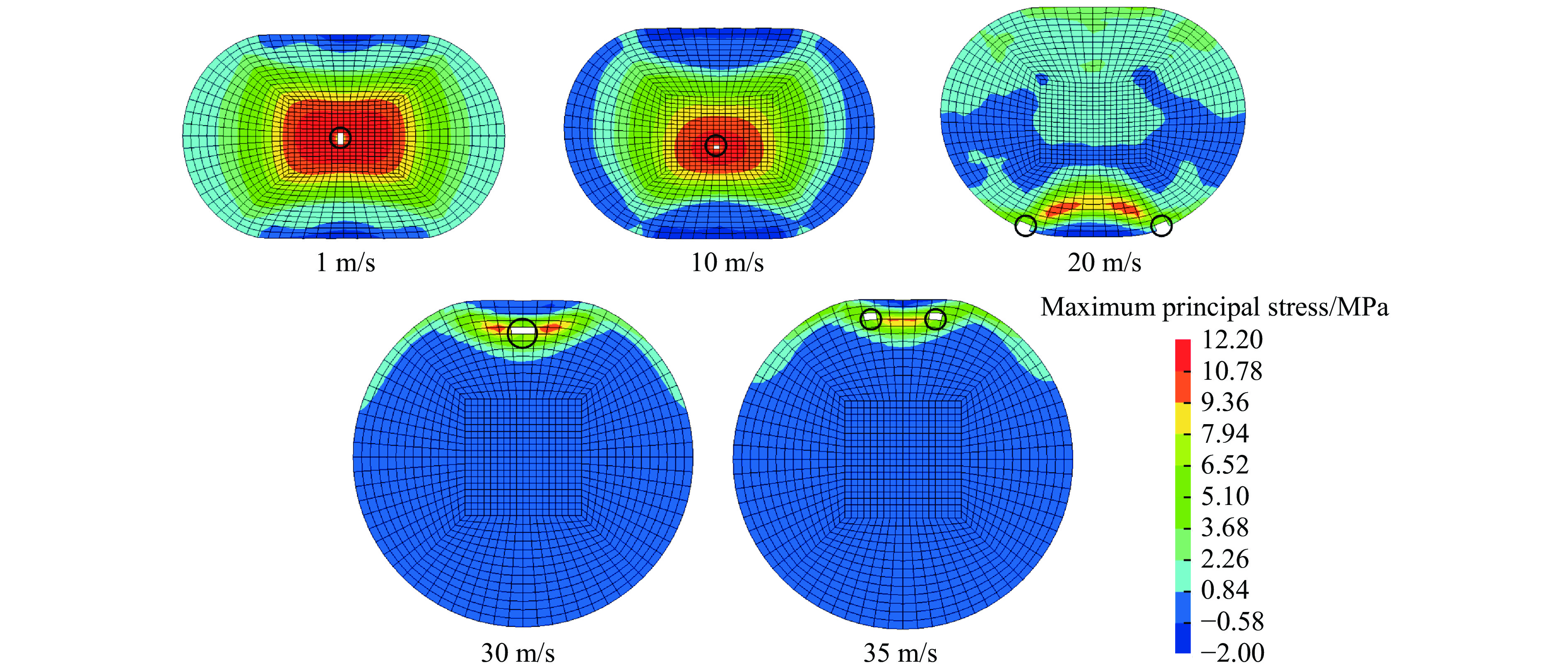
18650 商用钠离子电池为对象,采用试验与模拟相结合的方法,系统研究了其在径向挤压下的失效机理。同时建立均质化有限元模型模拟其动态冲击(1~35 m/s)行为,并引入应力波理论分析其失效机理。结果表明,在准静态挤压下电池峰值载荷点与失效点高度吻合。挤压速度提升使峰值载荷增加,失效位移增大,但对0%荷电状态(state of charge, SOC)电池温升影响微弱。在动态冲击中,失效位移随冲击速度提高而减小,且在20 m/s后急剧下降;裂纹位置表现出明显的速度依赖性,从低速(<15 m/s)的中部,移至20 m/s的底部,并在30 m/s以上转移至冲击端,该行为主要由应力波的传播与反射叠加控制。可见,钠离子电池失效由结构失稳引发内短路导致,SOC主导低速挤压温升,而高速失效行为受应力波支配。所建模型可有效预测宏观力学响应,为电池安全设计提供重要依据。Abstract: Sodium-ion batteries (SIBs) have emerged as a promising candidate for energy storage applications owing to their material abundance and cost-effectiveness; however, safety issues under mechanical abuse conditions remain insufficiently understood. This study systematically investigates the failure mechanisms of commercial18650 sodium-ion batteries subjected to radial compression by integrating experimental and numerical approaches. Experiments were conducted using an electronic universal testing machine to characterize the mechanical–electrical–thermal responses at different compression speeds and states of charge (SOC), with synchronous measurements of load, voltage, and temperature. A homogenized finite element model was established to simulate the dynamic crushing behavior at impact velocities ranging from 1 to 35 m/s. The failure mechanisms were interpreted based on stress wave theory, and the failure criteria were calibrated using the experimental results. The results indicate that under quasi-static loading, the battery exhibits a four-stage deformation process, in which the peak load coincides with the onset of failure. With increasing compression velocity, both the peak load and the failure displacement increase, while the temperature rise of batteries at 0% SOC is only weakly affected. In contrast, higher SOC significantly intensifies the temperature rise and advances the occurrence of failure. Under dynamic impact conditions, the failure displacement decreases with increasing impact velocity and shows a pronounced reduction beyond 20 m/s, whereas the load–displacement curve exhibits a distinct plateau at high velocities. The crack initiation location displays a strong dependence on impact velocity: it originates in the central region at low velocities (<15 m/s), shifts to the bottom at approximately 20 m/s, and moves to the impact end when the velocity exceeds 30 m/s. This transition is mainly governed by the propagation, reflection, and superposition of stress waves. Overall, the results indicate that failure of sodium-ion batteries is triggered by structural instability leading to internal short circuits. The SOC primarily controls the thermal response under low-speed compression, whereas stress wave effects dominate the failure behavior at high impact velocities. The proposed model demonstrates good predictive capability for the macroscopic mechanical response and provides valuable insights for the safety design of sodium-ion batteries.-
Key words:
- sodium-ion battery /
- dynamic impact /
- failure behavior /
- finite element simulation
-
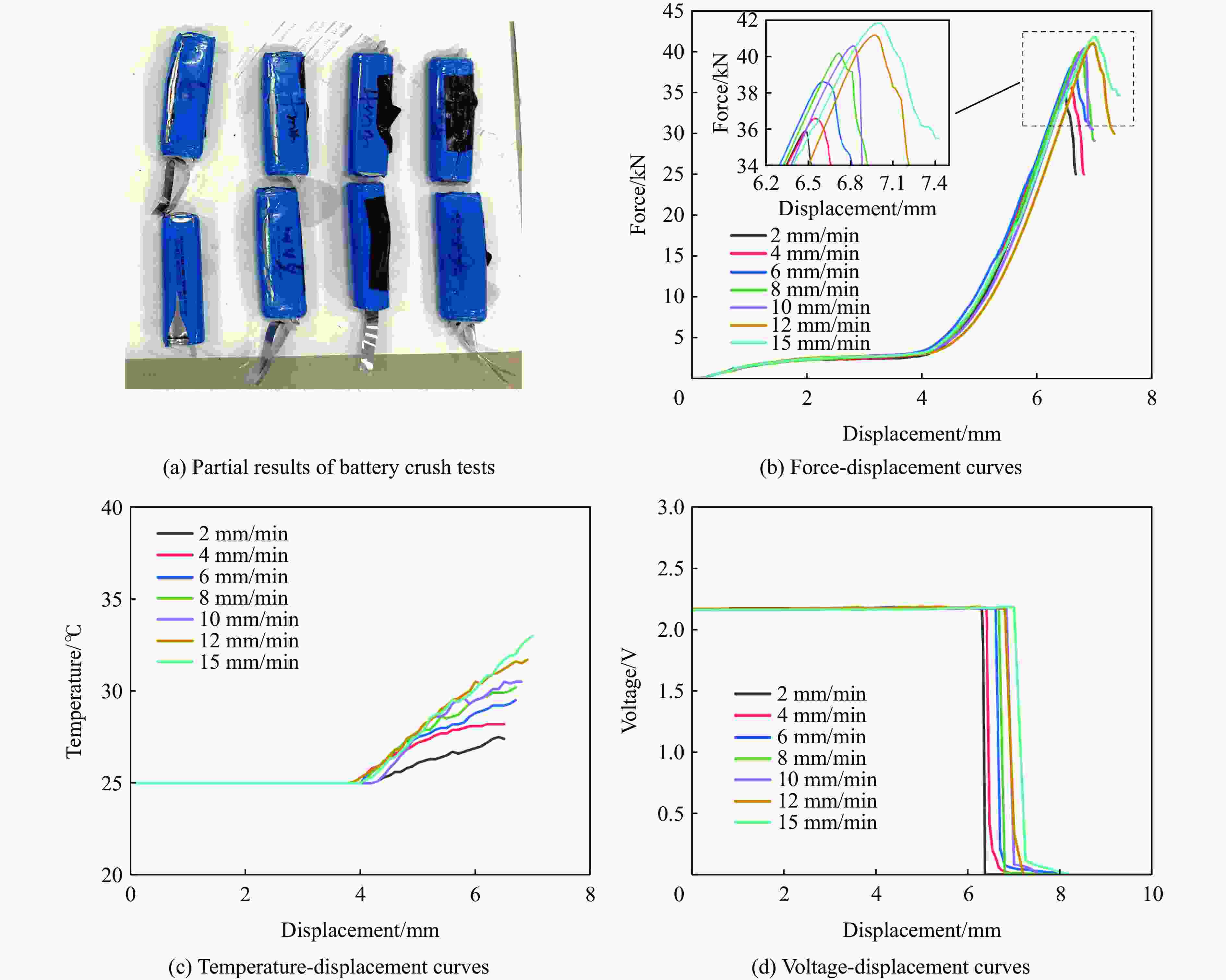
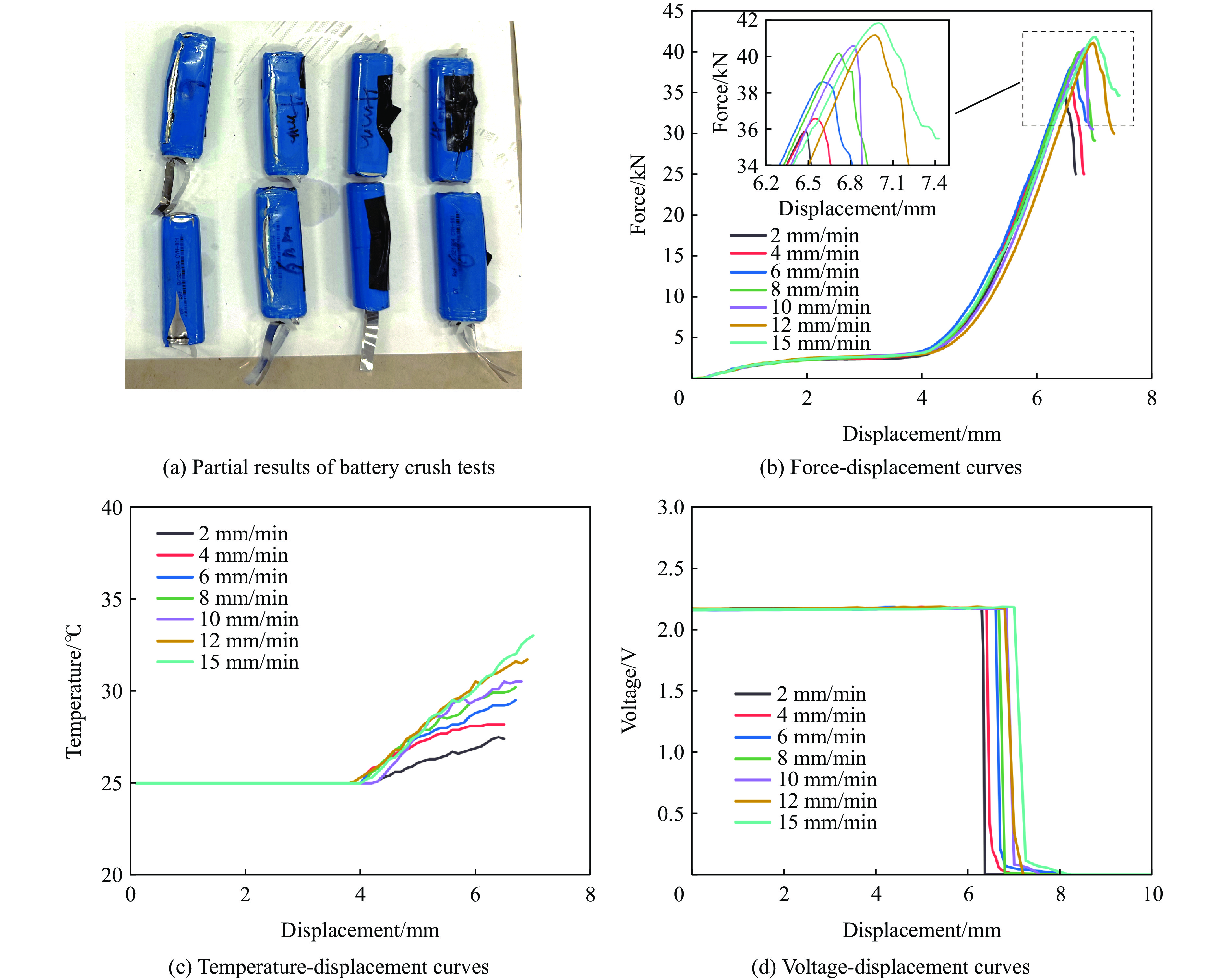
图 2 不同挤压速度下电池的机械响应部分照片以及力、温度和电压变化曲线
Figure 2. Partial photos of mechanical responses and force-, temperature-, and voltage-displacement curves of batteries under different extrusion speeds
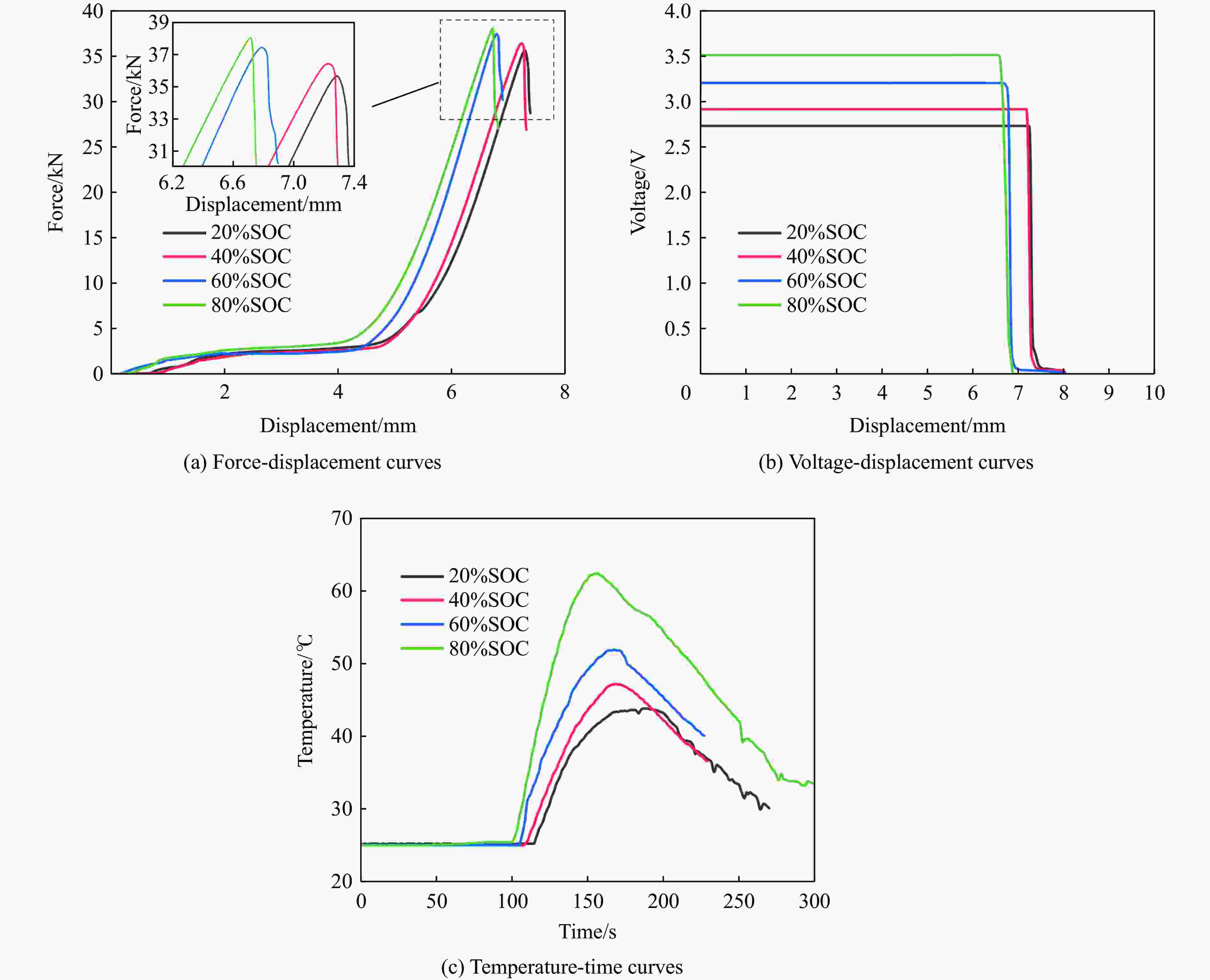
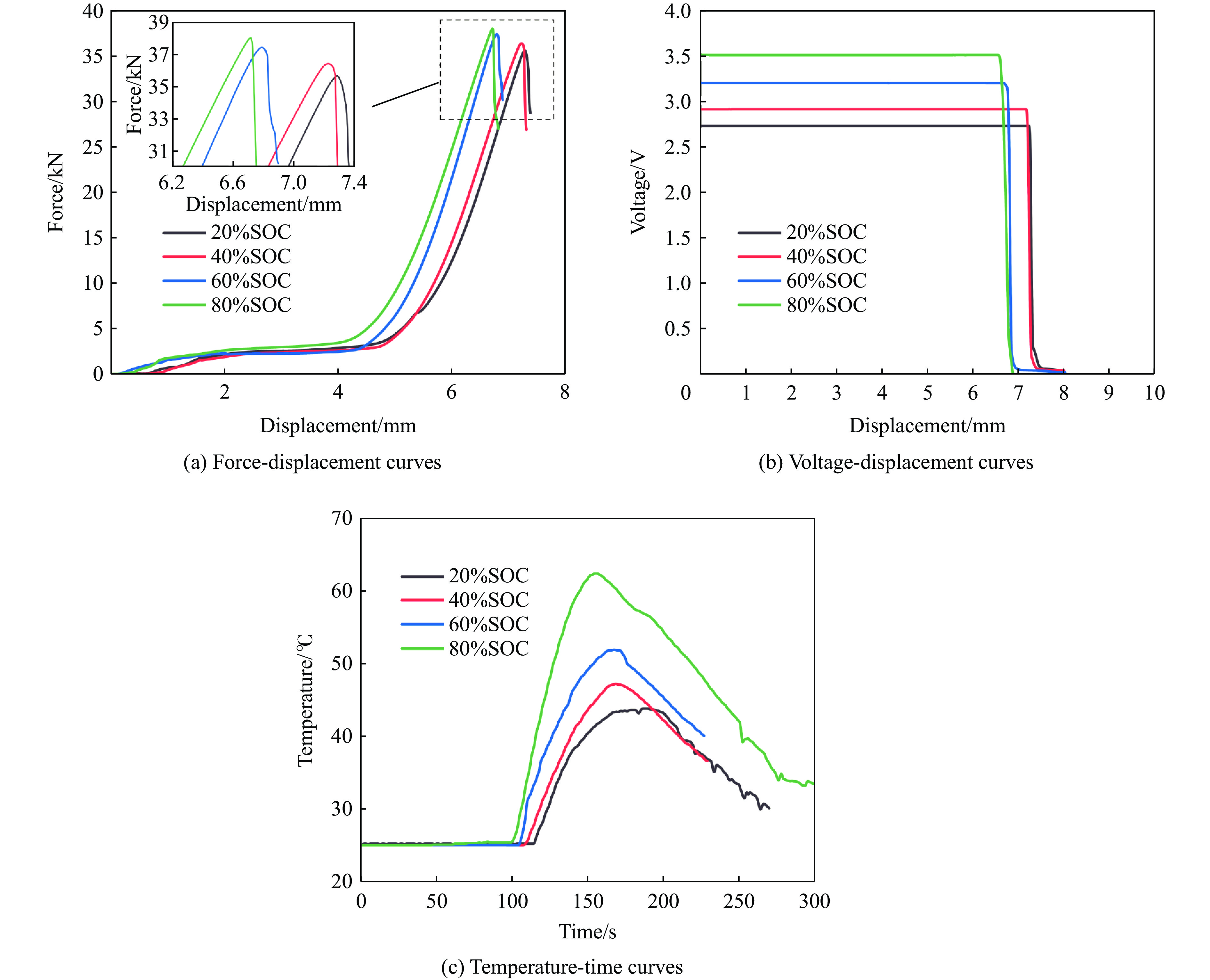
图 3 不同荷电状态下电池的力、电压和温度的变化曲线
Figure 3. Force, voltage and temperature curves at varying states of charge
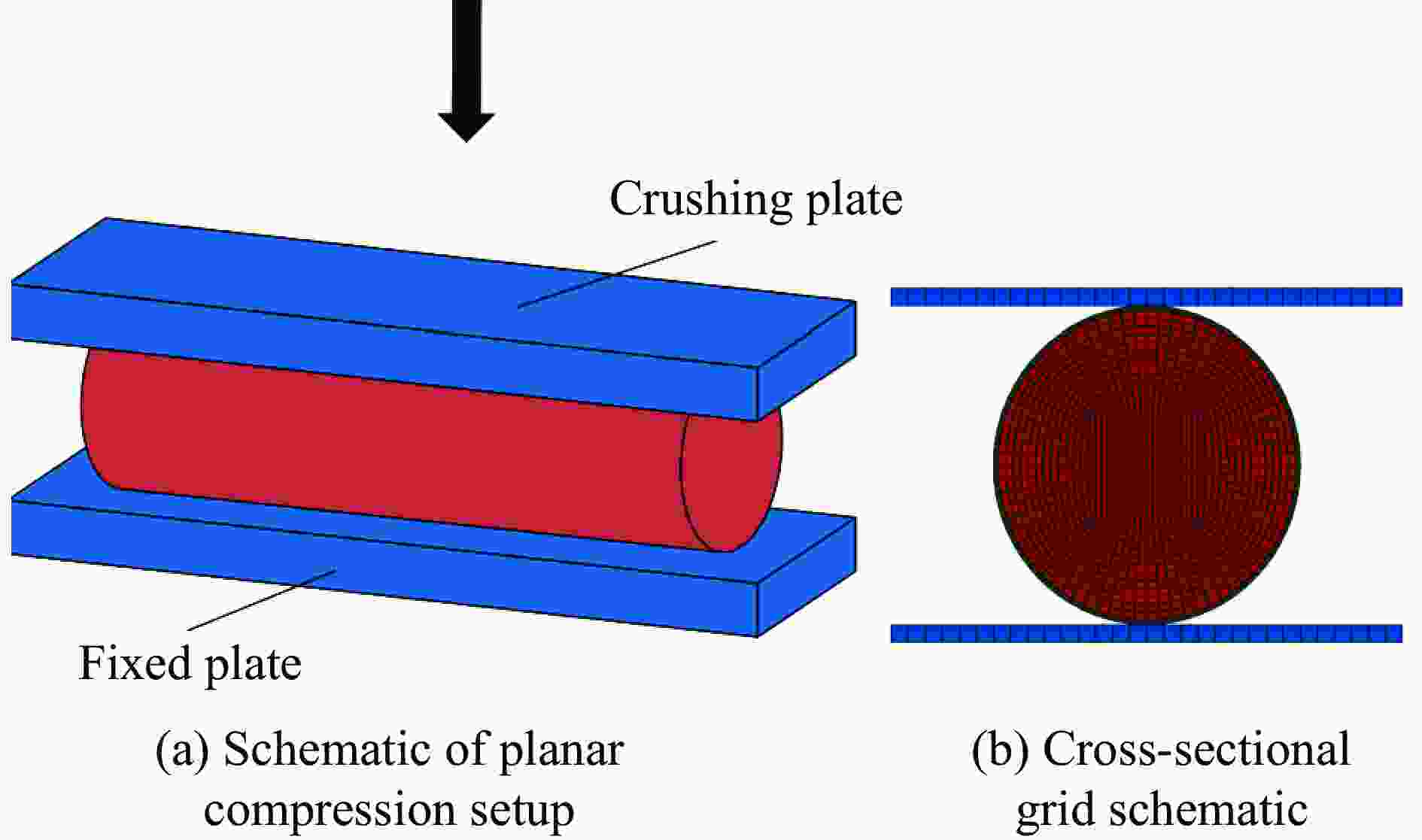
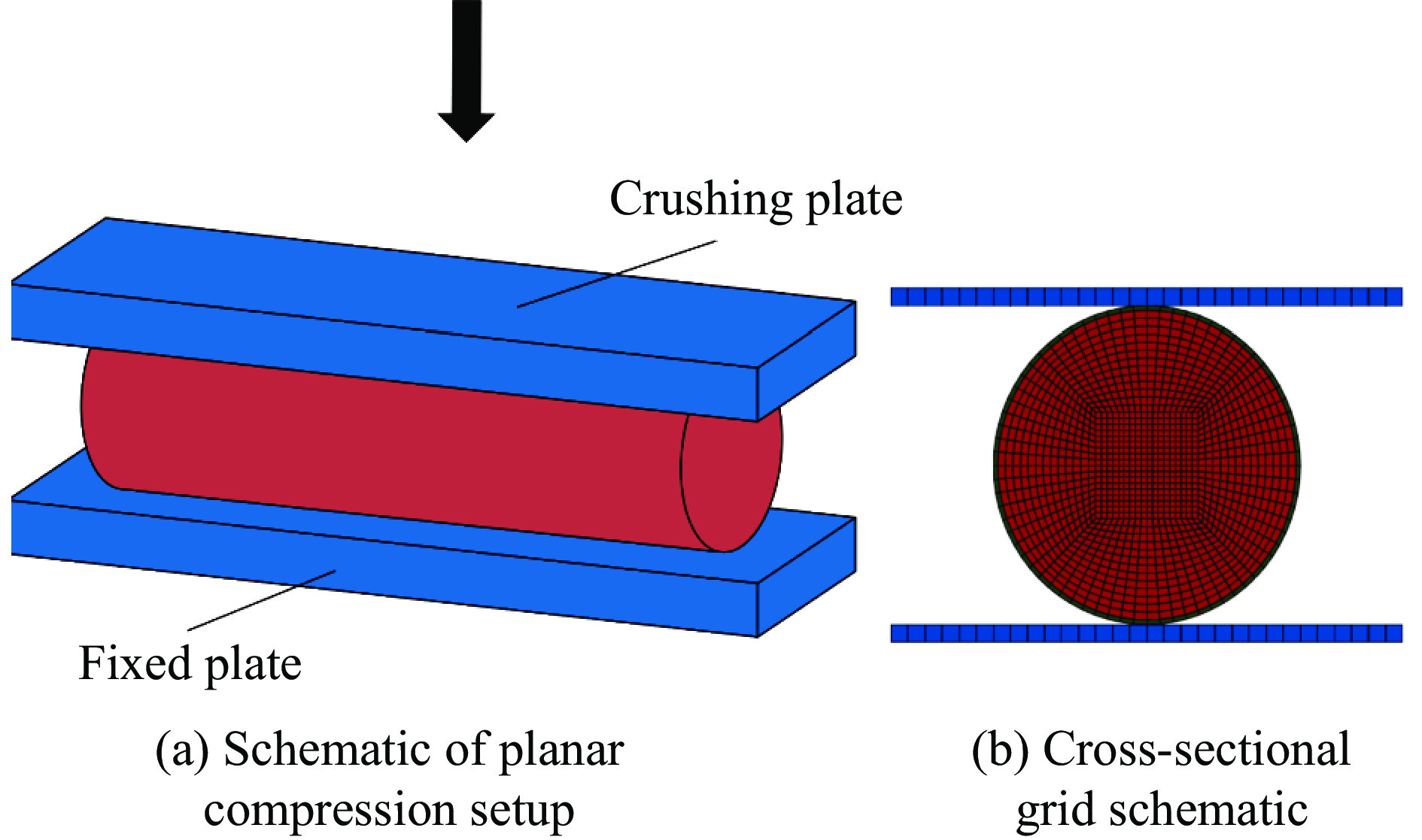
图 5 模型构建及侧面网格示意图
Figure 5. Computational model setup and cross-sectional grid schematic
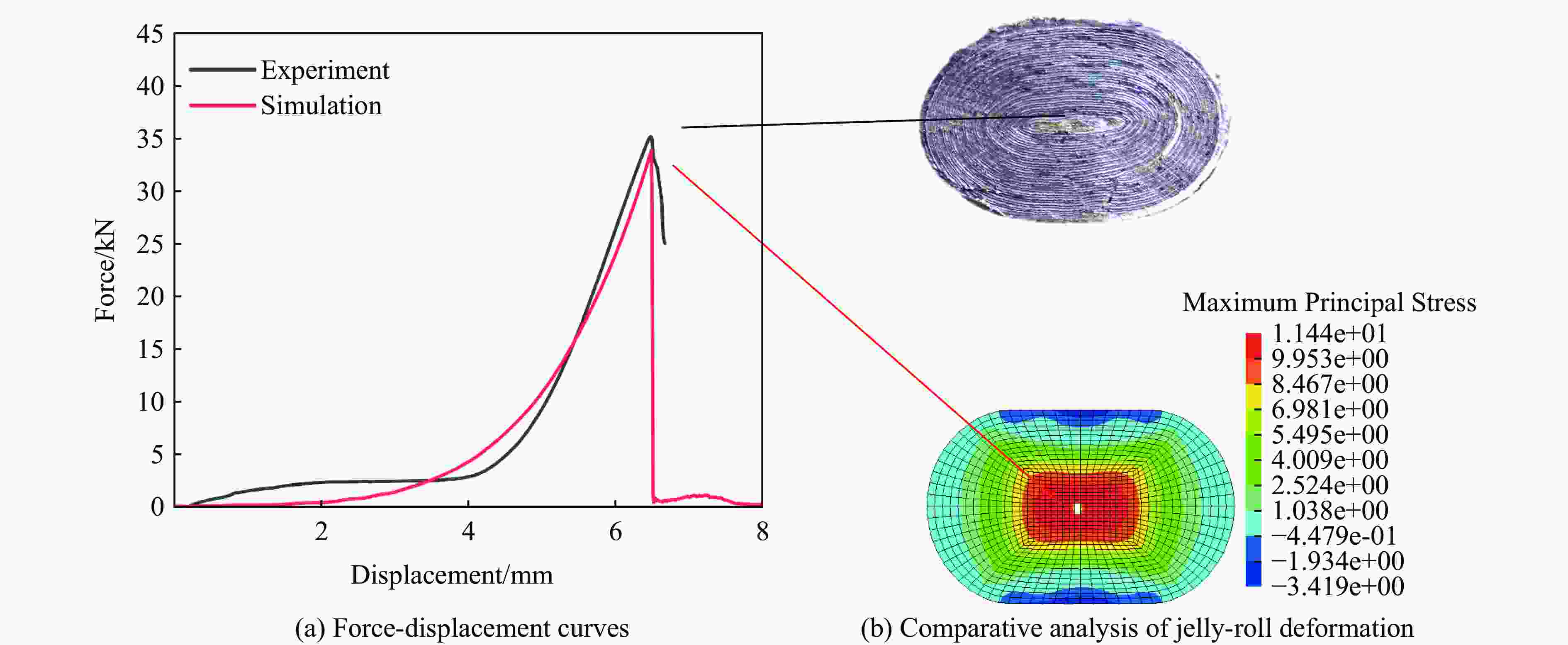
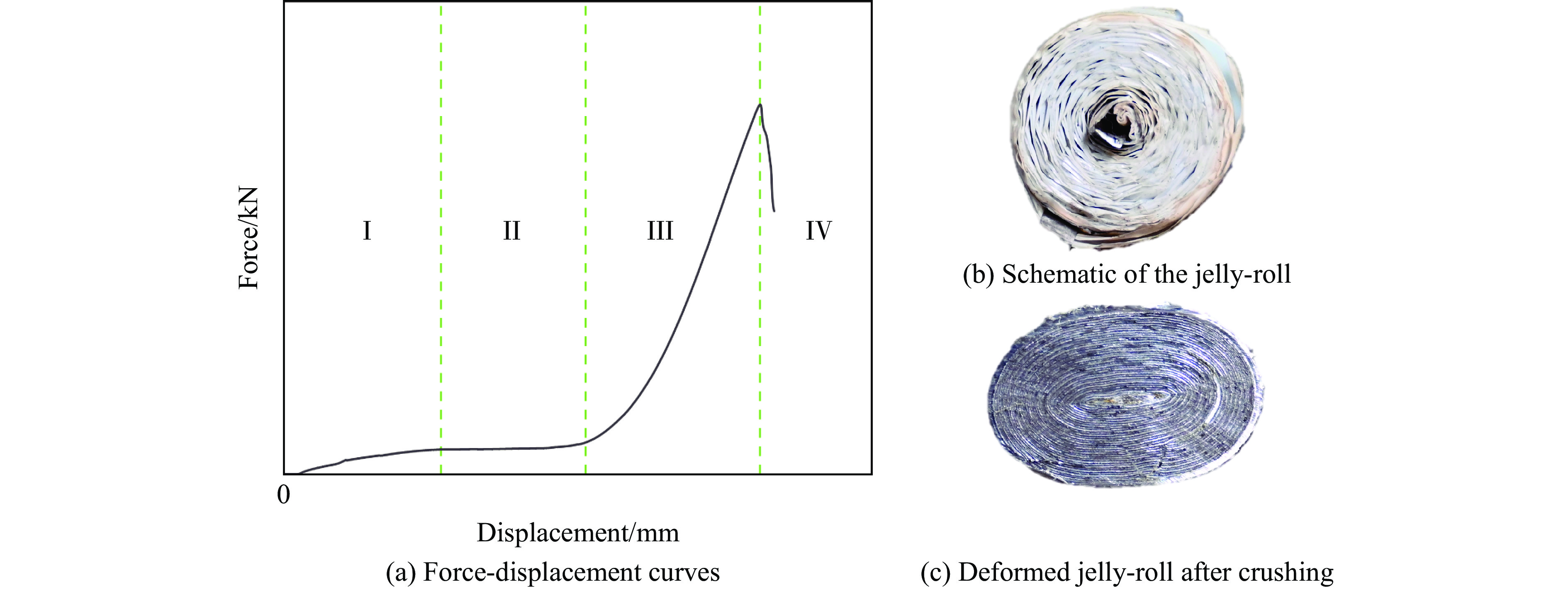
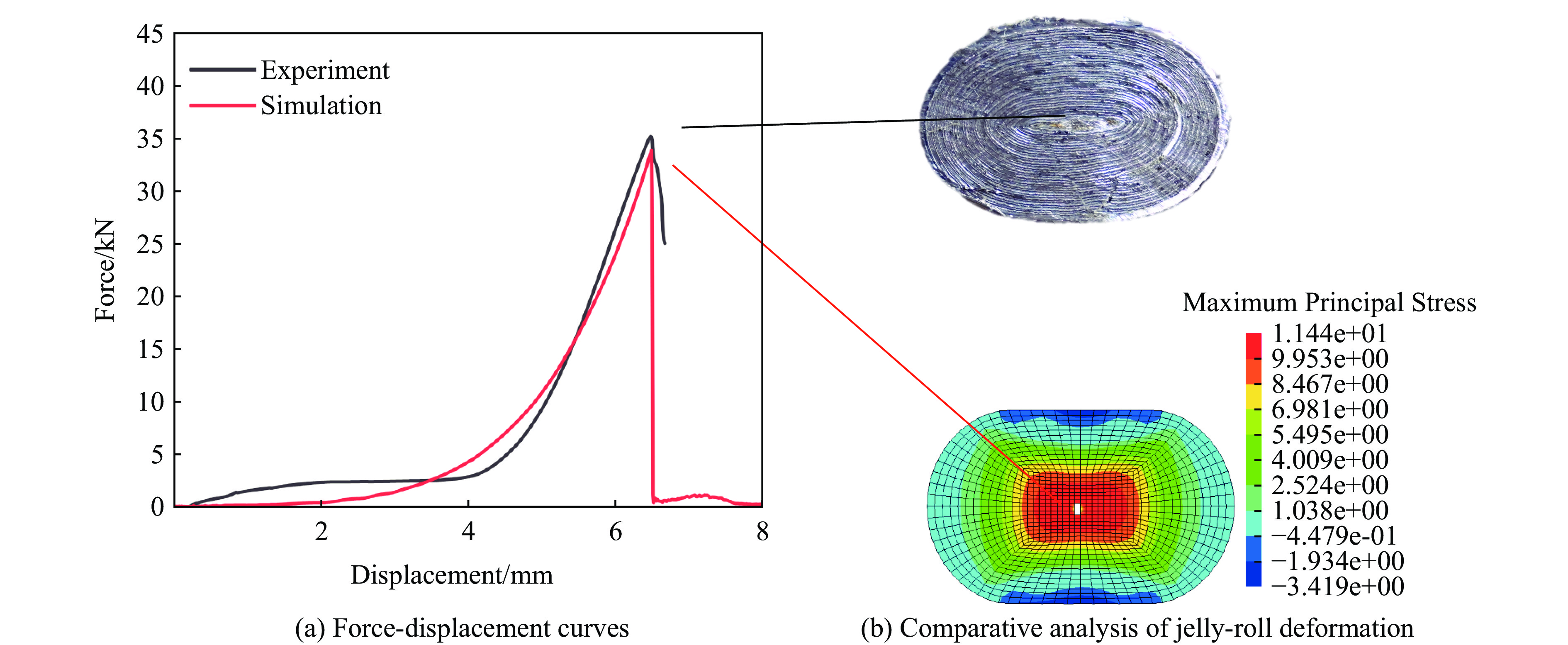
图 6 力-位移曲线及卷芯挤压对比
Figure 6. Force-displacement curves and comparative jelly-roll deformation
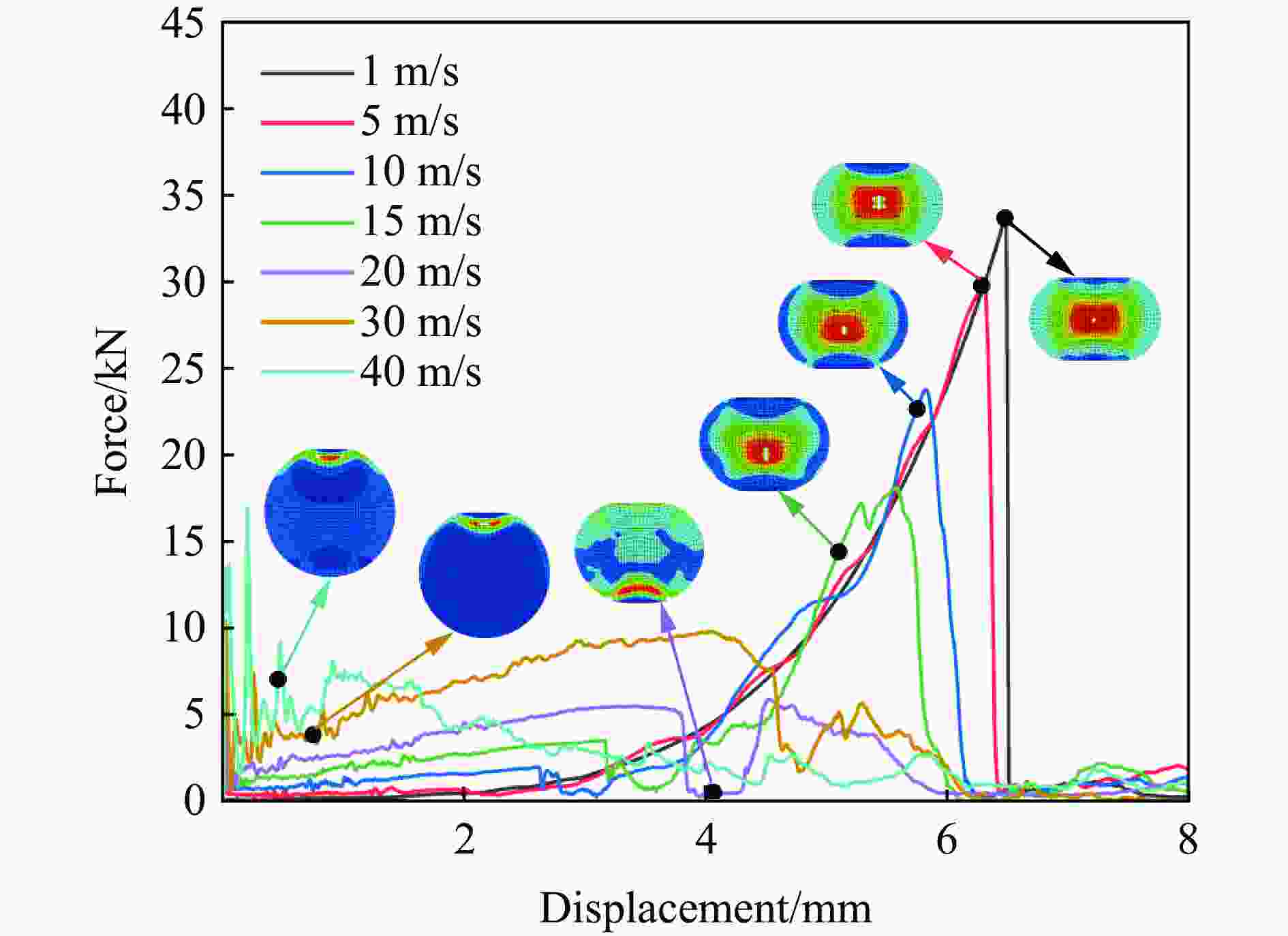
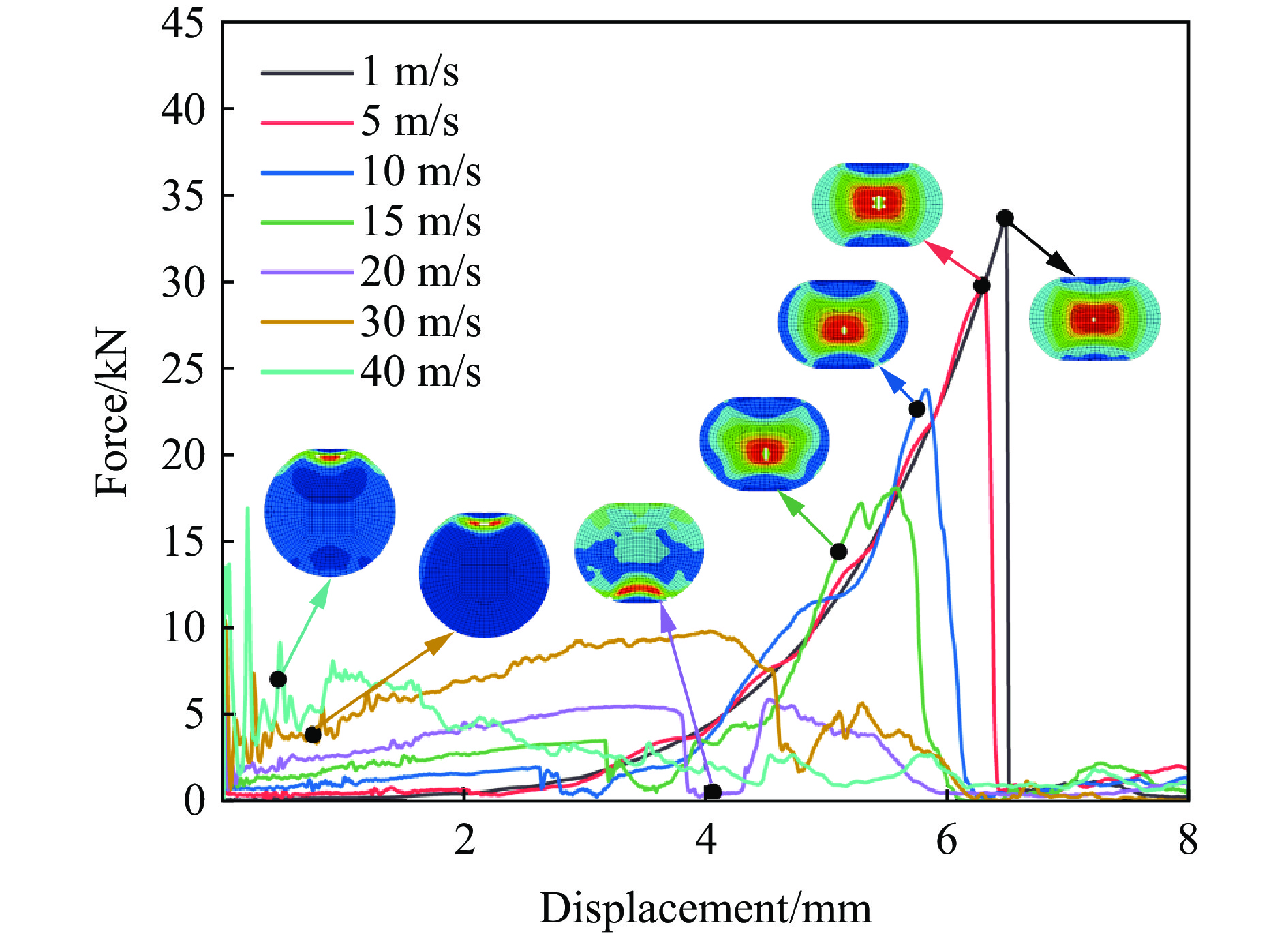
图 8 不同挤压速度下的力-位移曲线
Figure 8. Force-displacement curves of SIBs under different crush rates
表 1 模型材料参数
Table 1. Material model parameters
组件 材料类型 密度/(kg·m−3) 弹性模量/GPa 泊松比 外壳 Mat_24 7800 160 0.3 卷芯 Mat_63 1820 0.8 0.01 挤压板 Mat_20 7850 200 0.33 支撑板 Mat_20 7850 200 0.33  下载: 导出CSV
-
[1] SHARMA H, SHARMA S, MISHRA P K. A critical review of recent progress on lithium ion batteries: challenges, applications, and future prospects [J]. Microchemical Journal, 2025, 212: 113494. DOI: 10.1016/j.microc.2025.113494. [2] GE H, KONG F, JIANG S K, et al. Advancing sodium-ion batteries toward commercialization: a review on phosphate and sulfate-based polyanionic cathodes [J]. Energy Storage Materials, 2025, 81: 104468. DOI: 10.1016/j.ensm.2025.104468. [3] PILALI E, NIA F F, YAMINI E, et al. SWOT analysis on the transition from Lithium-Ion batteries to Sodium-Ion batteries [J]. Sustainable Energy Technologies and Assessments, 2025, 80: 104371. DOI: 10.1016/j.seta.2025.104371. [4] QAHTAN T F, ALADE I O, ALARJANI A, et al. Advancements in sodium-ion batteries: an in-depth scientometric review [J]. Journal of Energy Storage, 2025, 131: 117490. DOI: 10.1016/j.est.2025.117490. [5] LIU B H, JIA Y K, YUAN C H, et al. Safety issues and mechanisms of lithium-ion battery cell upon mechanical abusive loading: a review [J]. Energy Storage Materials, 2020, 24: 85–112. DOI: 10.1016/j.ensm.2019.06.036. [6] SAHRAEI E, CAMPBELL J, WIERZBICKI T. Modeling and short circuit detection of 18650 Li-ion cells under mechanical abuse conditions [J]. Journal of Power Sources, 2012, 220: 360–372. DOI: 10.1016/j.jpowsour.2012.07.057. [7] WIERZBICKI T, SAHRAEI E. Homogenized mechanical properties for the jellyroll of cylindrical Lithium-ion cells [J]. Journal of Power Sources, 2013, 241: 467–476. DOI: 10.1016/j.jpowsour.2013.04.135. [8] ZHANG X W, WIERZBICKI T. Characterization of plasticity and fracture of shell casing of lithium-ion cylindrical battery [J]. Journal of Power Sources, 2015, 280: 47–56. DOI: 10.1016/j.jpowsour.2015.01.077. [9] ZHANG C, XU J, CAO L, et al. Constitutive behavior and progressive mechanical failure of electrodes in lithium-ion batteries [J]. Journal of Power Sources, 2017, 357: 126–137. DOI: 10.1016/j.jpowsour.2017.04.103. [10] XU J, LIU B H, WANG L B, et al. Dynamic mechanical integrity of cylindrical lithium-ion battery cell upon crushing [J]. Engineering Failure Analysis, 2015, 53: 97–110. DOI: 10.1016/j.engfailanal.2015.03.025. [11] ZHANG H J, ZHOU M Z, HU L L, et al. Mechanism of the dynamic behaviors and failure analysis of lithium-ion batteries under crushing based on stress wave theory [J]. Engineering Failure Analysis, 2020, 108: 104290. DOI: 10.1016/j.engfailanal.2019.104290. [12] XI S J, ZHAO Q C, CHANG L J, et al. The dynamic failure mechanism of a lithium-ion battery at different impact velocity [J]. Engineering Failure Analysis, 2020, 116: 104747. DOI: 10.1016/j.engfailanal.2020.104747. [13] WANG W W, YANG S, LIN C, et al. Investigation of mechanical property of cylindrical lithium-ion batteries under dynamic loadings [J]. Journal of Power Sources, 2020, 451: 227749. DOI: 10.1016/j.jpowsour.2020.227749. [14] ZHANG X C, ZHANG T, LIU N N, et al. Dynamic crushing behaviors and failure of cylindrical lithium-ion batteries subjected to impact loading [J]. Engineering Failure Analysis, 2023, 154: 107653. DOI: 10.1016/j.engfailanal.2023.107653. [15] HUANG J Q, SHEN W X, LU G X. Mechanism of failure behaviour and analysis of 18650 lithium-ion battery under dynamic loadings [J]. Engineering Failure Analysis, 2023, 153: 107588. DOI: 10.1016/j.engfailanal.2023.107588. [16] KISTERS T, SAHRAEI E, WIERZBICKI T. Dynamic impact tests on lithium-ion cells [J]. International Journal of Impact Engineering, 2017, 108: 205–216. DOI: 10.1016/j.ijimpeng.2017.04.025. [17] XIA Y, CHEN G H, ZHOU Q, et al. Failure behaviours of 100% SOC lithium-ion battery modules under different impact loading conditions [J]. Engineering Failure Analysis, 2017, 82: 149–160. DOI: 10.1016/j.engfailanal.2017.09.003. [18] LIU B H, ZHANG J J, ZHANG C, et al. Mechanical integrity of 18650 lithium-ion battery module: Packing density and packing mode [J]. Engineering Failure Analysis, 2018, 91: 315–326. DOI: 10.1016/j.engfailanal.2018.04.041. [19] PFAFF J, SCHOPFERER S, MARKÖTTER H, et al. High-speed synchrotron radiography of nail penetration-induced thermal runaway: understanding the explosive behavior of commercial sodium-ion batteries with NFM cathode [J]. Journal of Power Sources Advances, 2025, 36: 100188. DOI: 10.1016/j.powera.2025.100188. [20] 马宇哲, 杨军, 曹泽阳, 等. 钠离子电池的平板径向压缩安全特性研究 [J]. 高压物理学报, 2024, 38(6): 065301. DOI: 10.11858/gywlxb.20240750.MA Y Z, YANG J, CAO Z Y, et al. Study on the safety characteristics of flat plate compression of sodium-ion batteries [J]. Chinese Journal of High Pressure Physics, 2024, 38(6): 065301. DOI: 10.11858/gywlxb.20240750. [21] SHU X, TAN L K, WEI K X, et al. Comparative study of failure characteristics of different types of energy storage batteries after extrusion deformation [J]. Journal of Energy Storage, 2026, 141: 119188. DOI: 10.1016/j.est.2025.119188. [22] 杨馨蓉, 车海英, 杨轲, 等. 硬碳负极材料的热稳定性及其钠离子电池安全性能评测 [J]. 过程工程学报, 2022, 22(4): 552–560. DOI: 10.12034/j.issn.1009-606X.220420.YANG X R, CHE H Y, YANG K, et al. Evaluation of safety performance and thermal stability of hard carbon anode for sodium-ion battery [J]. The Chinese Journal of Process Engineering, 2022, 22(4): 552–560. DOI: 10.12034/j.issn.1009-606X.220420. [23] RUI B, SUN S G, TAN X J, et al. Mechanical abuse and safety in sodium-ion batteries [J]. Journal of Materials Chemistry A, 2025, 13(17): 12203–12215. DOI: 10.1039/d5ta00624d. [24] XU J, LIU B H, HU D Y. State of charge dependent mechanical integrity behavior of 18650 lithium-ion batteries [J]. Scientific Reports, 2016, 6: 21829. DOI: 10.1038/srep21829. [25] HU L L, ZHANG Z W, ZHOU M Z, et al. Crushing behaviors and failure of packed batteries [J]. International Journal of Impact Engineering, 2020, 143: 103618. DOI: 10.1016/j.ijimpeng.2020.103618. [26] 兰凤崇, 郑文杰, 李志杰, 等. 车用动力电池的挤压载荷变形响应及内部短路失效分析 [J]. 华南理工大学学报(自然科学版), 2018, 46(6): 65–72. DOI: 10.3969/j.issn.1000-565X.2018.06.009.LAN F C, ZHENG W J, LI Z J, et al. Compression load-deformation response and internal short circuit failure analysis of vehicle powered batteries [J]. Journal of South China University of Technology (Natural Science Edition), 2018, 46(6): 65–72. DOI: 10.3969/j.issn.1000-565X.2018.06.009. -

计量
- 文章访问数: 424
- HTML全文浏览量: 113
- PDF下载量: 347
- 被引次数: 0