


Experimental advances in hardening, embrittlement and micro-mechanisms of metals under coupled irradiation, pre-stress and impact loading
-
摘要: 反应堆在服役过程中存在大量结构金属在预应力条件下被高能粒子辐照,同时还可能遭遇不可预知的冲击载荷,导致结构金属的力学性能发生显著退化,降低反应堆的安全与可靠。然而现有研究大多仅单独关注辐照或冲击效应对金属力学性能的影响规律与机理,较少研究辐照金属动力学的退化行为,更是极少考虑预应力这种典型工况的耦合影响效应。本文总结和评述了辐照、预应力和冲击载荷耦合作用下金属硬化与脆化性能的变化规律与微观机理实验研究现状,指出了当前研究中存在的不足与诸多挑战,并对后续研究需重点关注的科学问题和亟需突破的技术瓶颈等提出了意见和建议。希望为反应堆延寿与新型先进反应堆研发等大型国家工程建设涉及的辐照-预应力条件下金属硬化和脆化规律与机理研究提供科学依据与研究方法。Abstract: During service, numerous structural metals in nuclear reactors are subjected to high-energy particle irradiation under prestressed conditions and may also experience unpredictable impact loads. These conditions can lead to significant degradation of the mechanical properties of structural metals, including irradiation hardening, irradiation embrittlement, irradiation swelling, and irradiation creep, thereby reducing reactor safety and reliability. However, existing studies have predominantly focused on the effects of either irradiation or impact loading on the mechanical properties and deformation mechanisms of metals. A limited number of studies have investigated the degradation behavior of irradiated metals under dynamic loading, whereas the coupled effect of prestress, which is a typical reactor service condition, has been considered even less frequently. The current status of experimental research on the hardening and embrittlement behavior and underlying micromechanisms of metals subjected to the coupled effects of irradiation, prestress, and impact loading is reviewed and summarized. Shortcomings and major challenges in current research are identified, and perspectives and recommendations are proposed regarding the key scientific issues requiring further attention and the critical technological bottlenecks that must be overcome in future studies. Specifically, the following issues should be addressed: (1) the necessity and sufficiency of the causal relationship between dislocation channels and irradiation-induced hardening and embrittlement mechanisms require thorough investigation; (2) equivalent dose-rate assessment methods for metal hardening and embrittlement induced by different irradiation particle sources need to be strengthened; (3) the hardening and embrittlement mechanisms of structural metals in nuclear reactors under prestress and neutron irradiation conditions require further investigation; and (4) research on the impact behavior of prestressed and neutron-irradiated metals urgently needs to be initiated, while safe and efficient experimental techniques for characterizing the dynamic properties of neutron-irradiated metals must be developed immediately. This review is expected to provide a scientific basis and research methodology for future investigations into the hardening and embrittlement behavior and mechanisms of metals under irradiation-prestress conditions, as required in major national projects such as nuclear reactor life extension and the development of advanced reactors.
-
Key words:
- irradiation damage /
- pre-stress /
- strain rate /
- mechanical properties /
- microscopic mechanisms
-
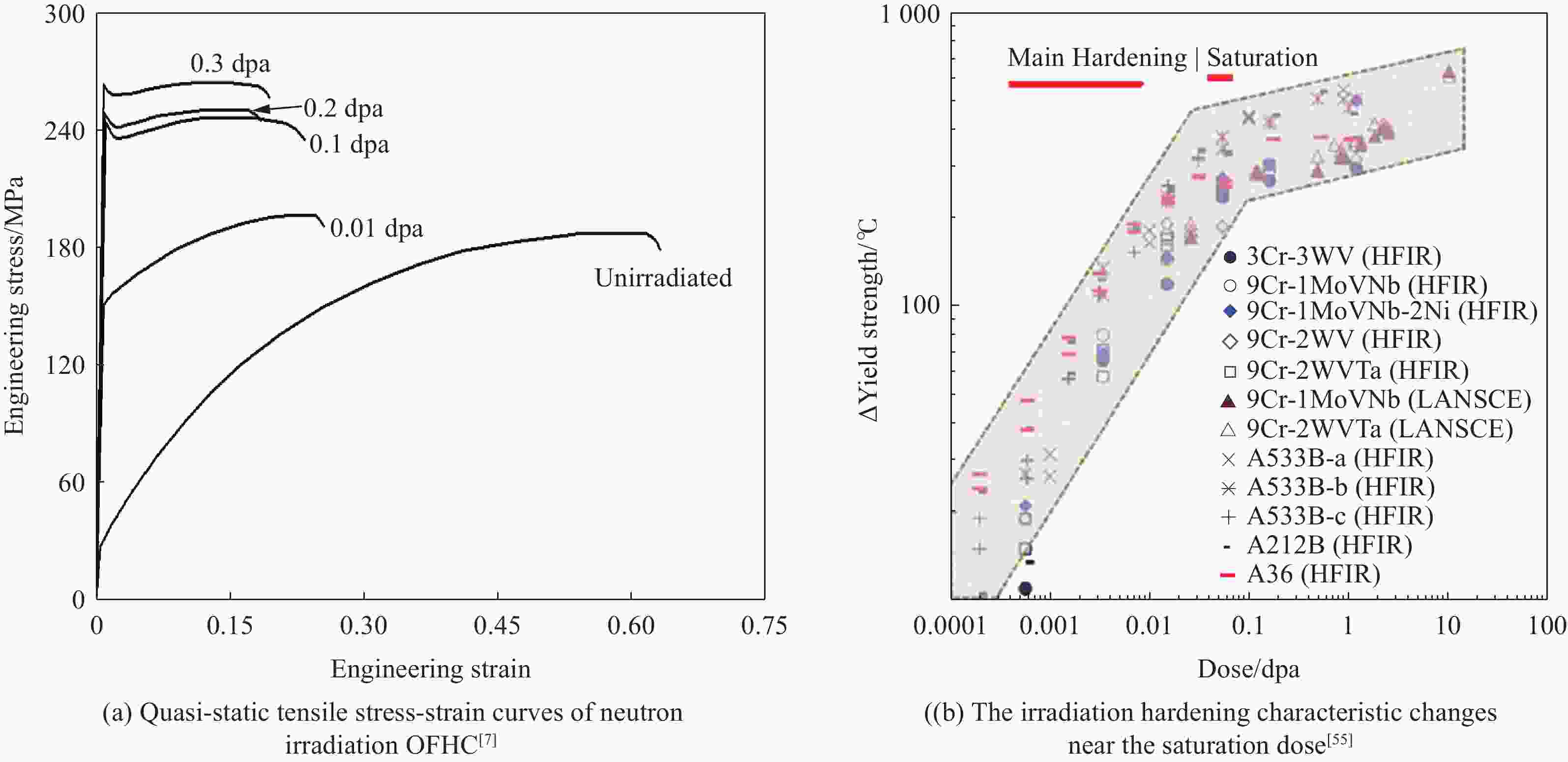
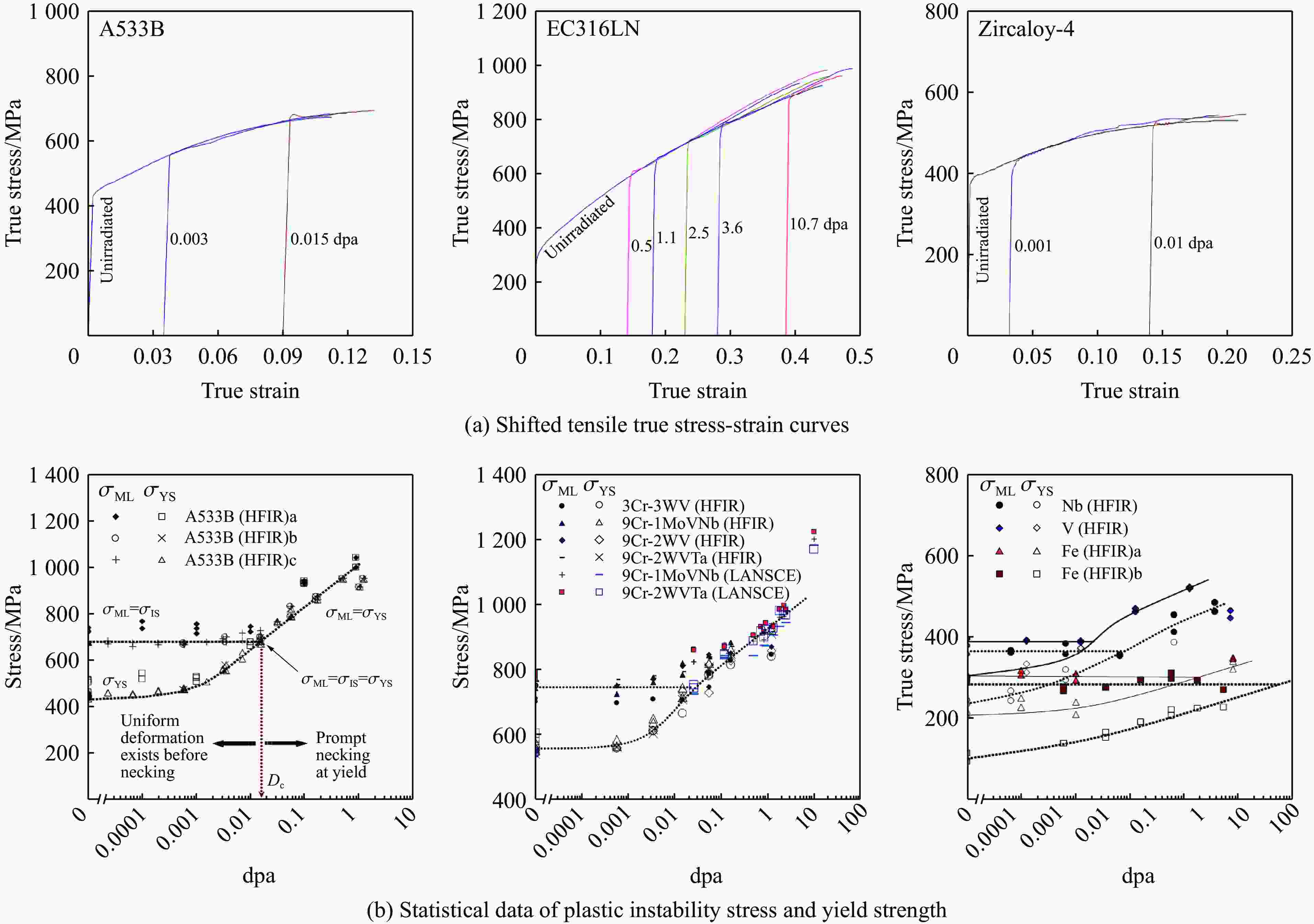
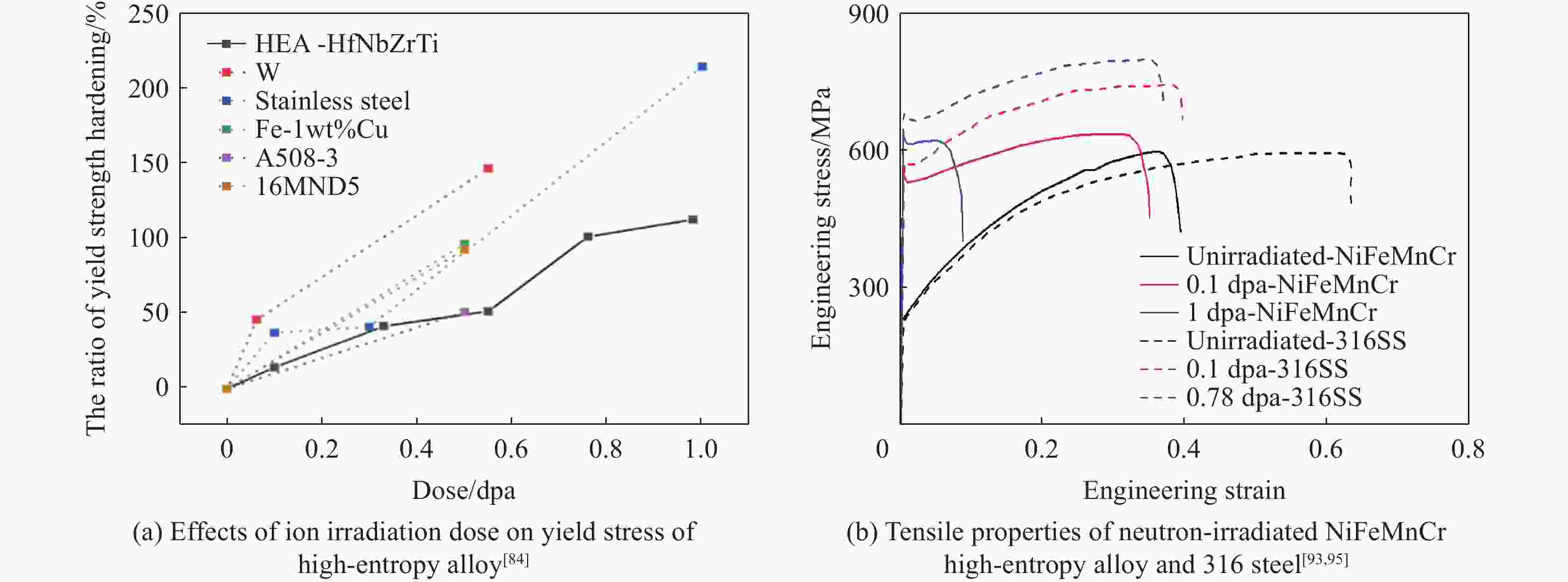
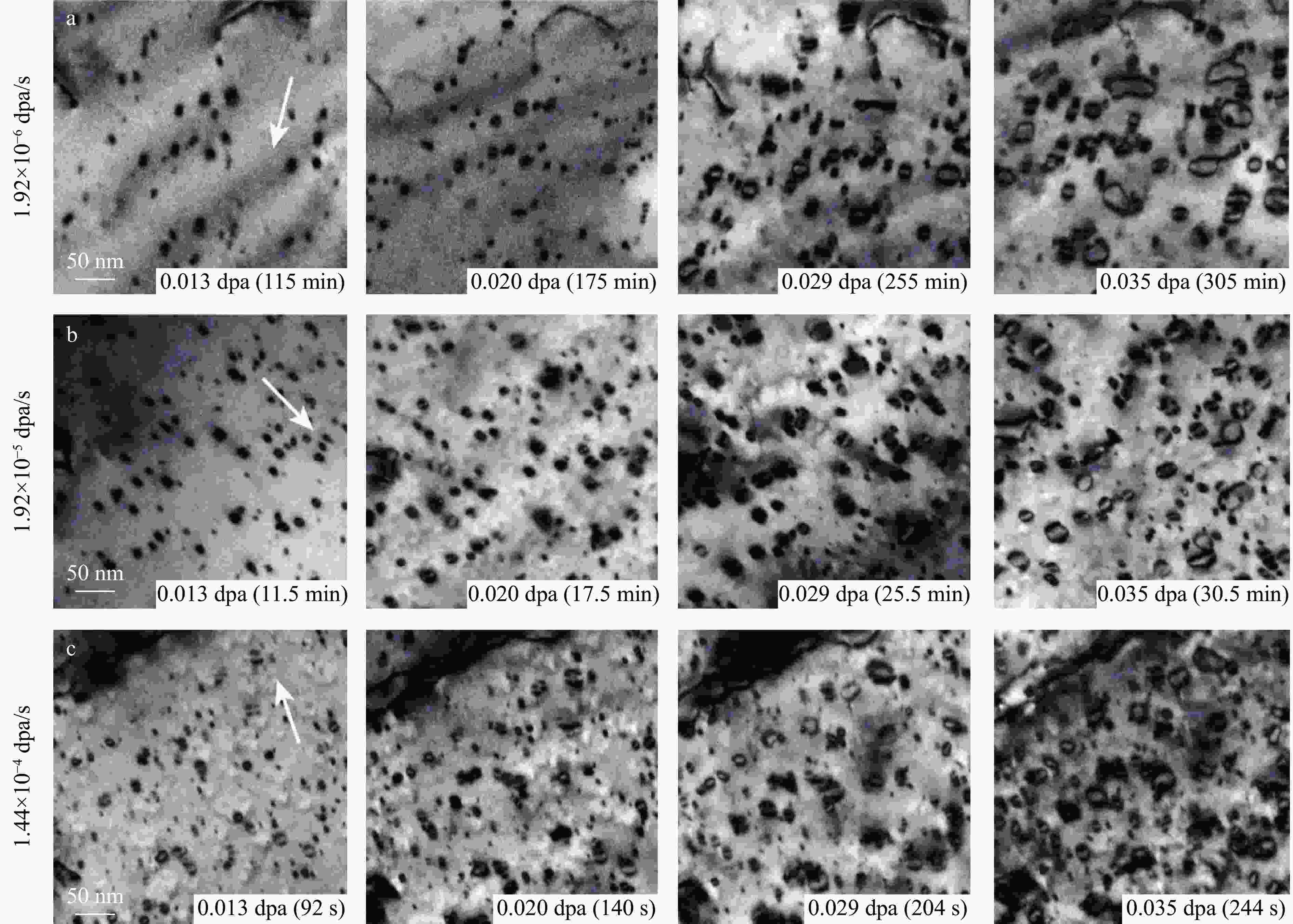
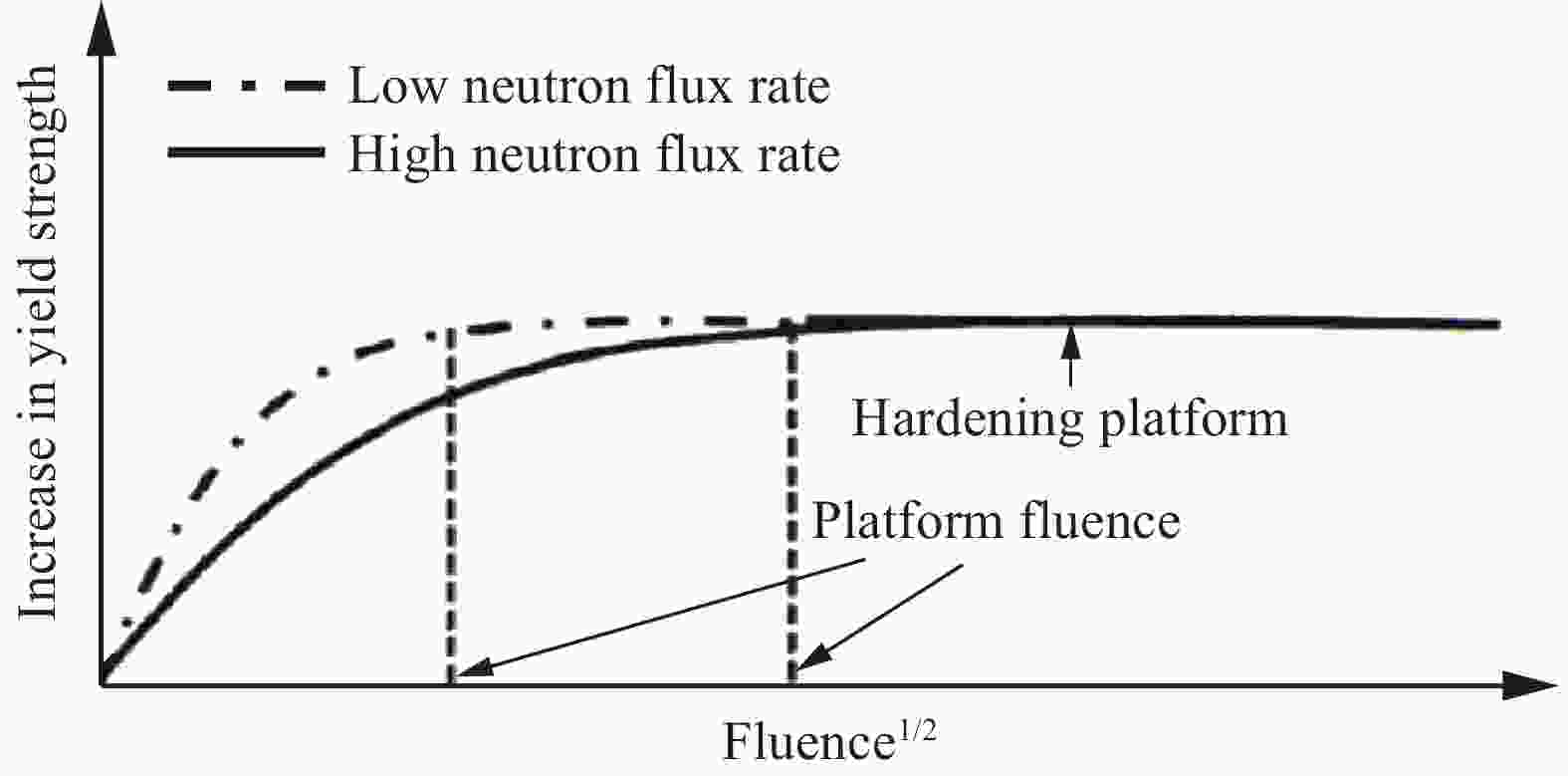
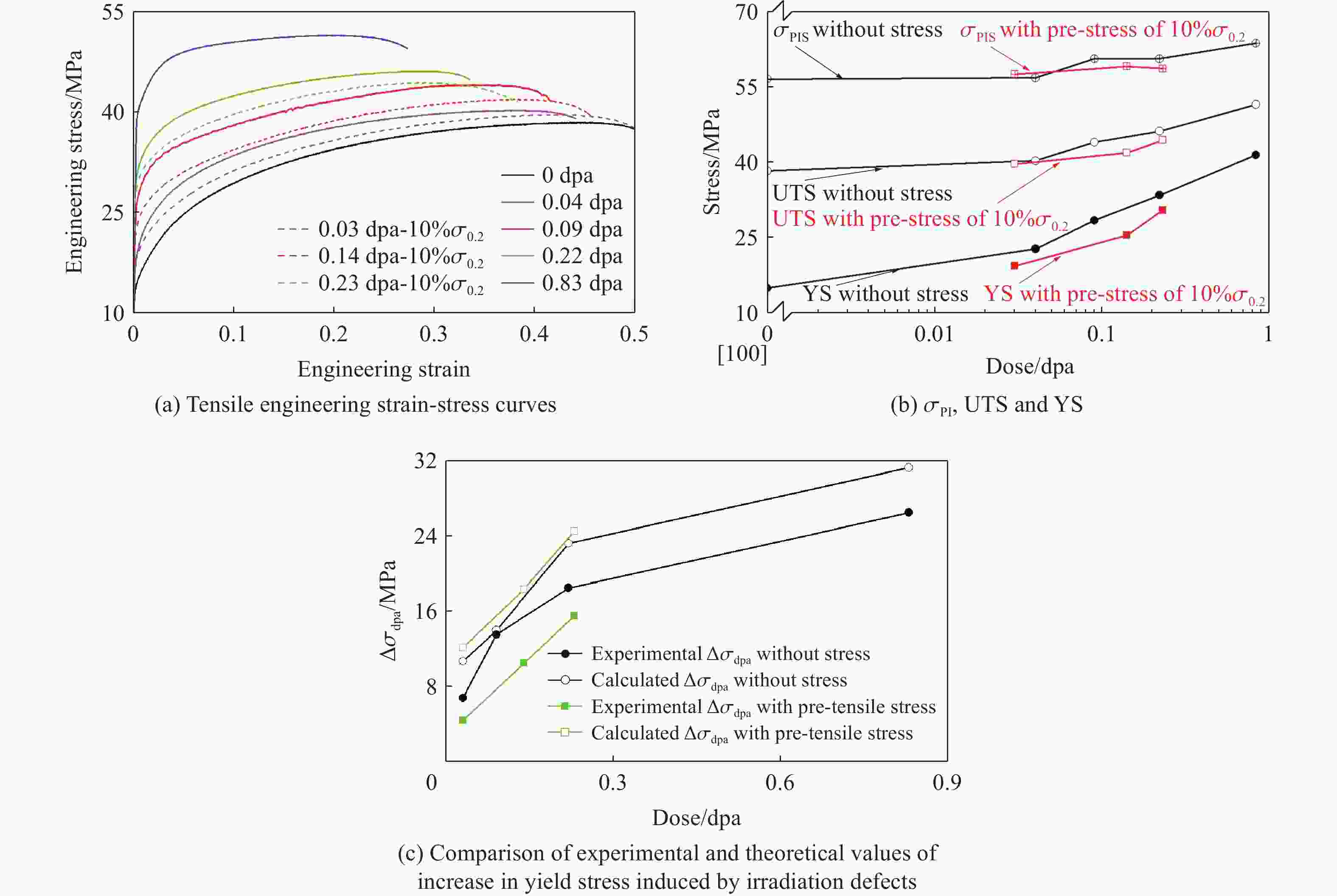
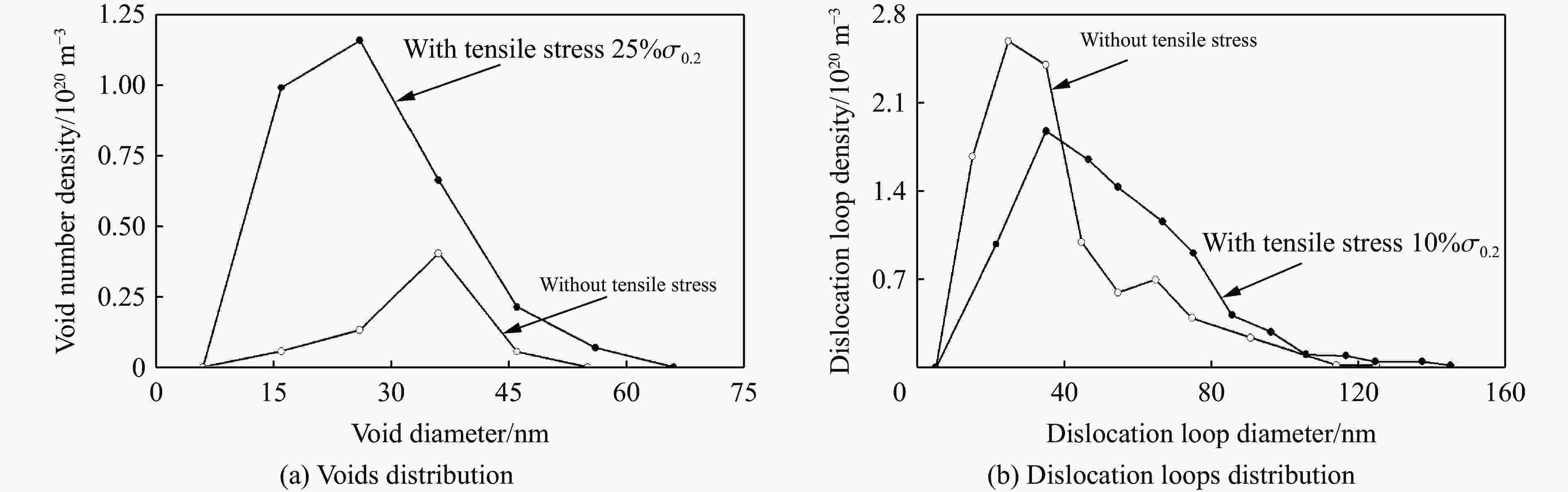
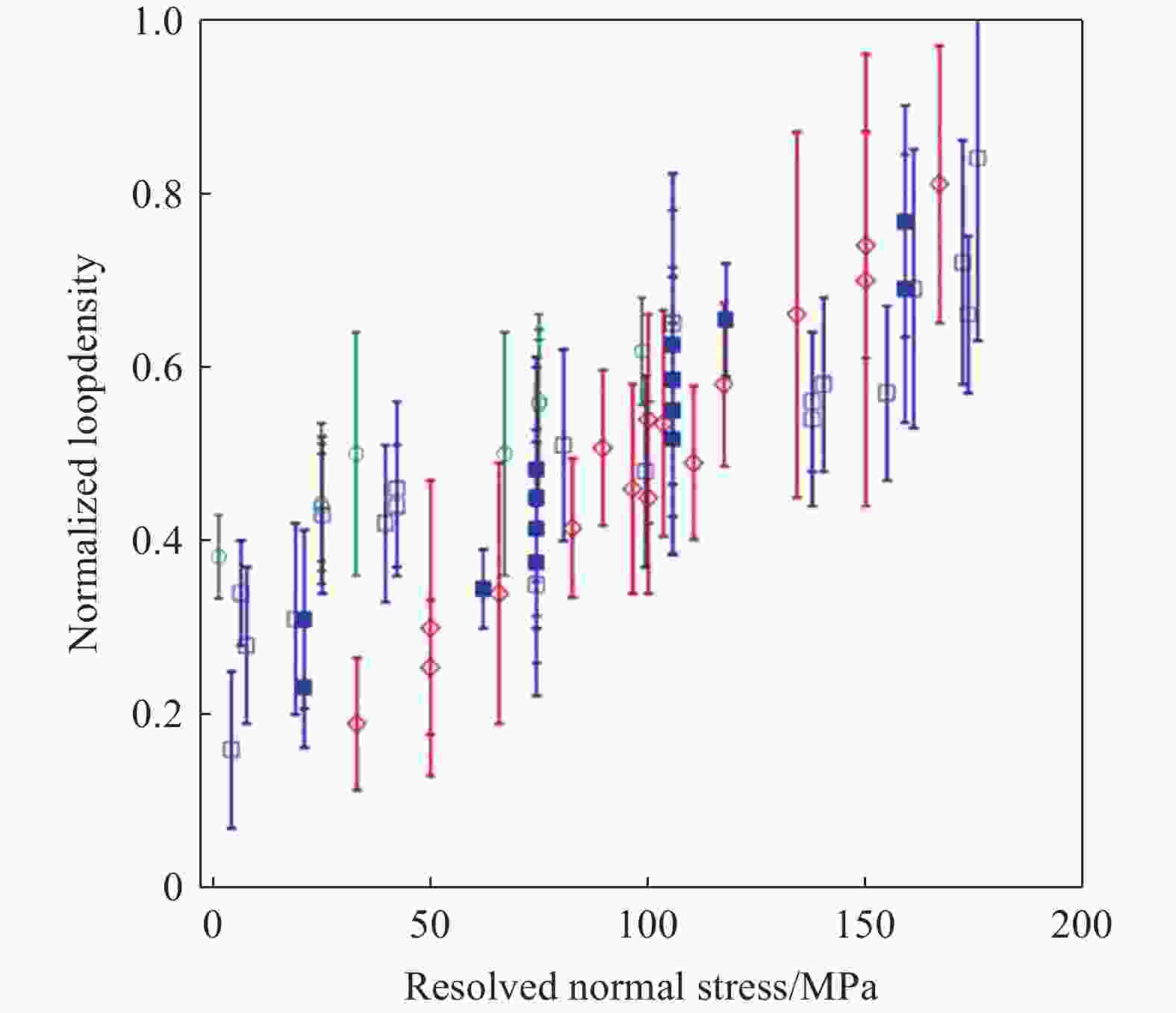
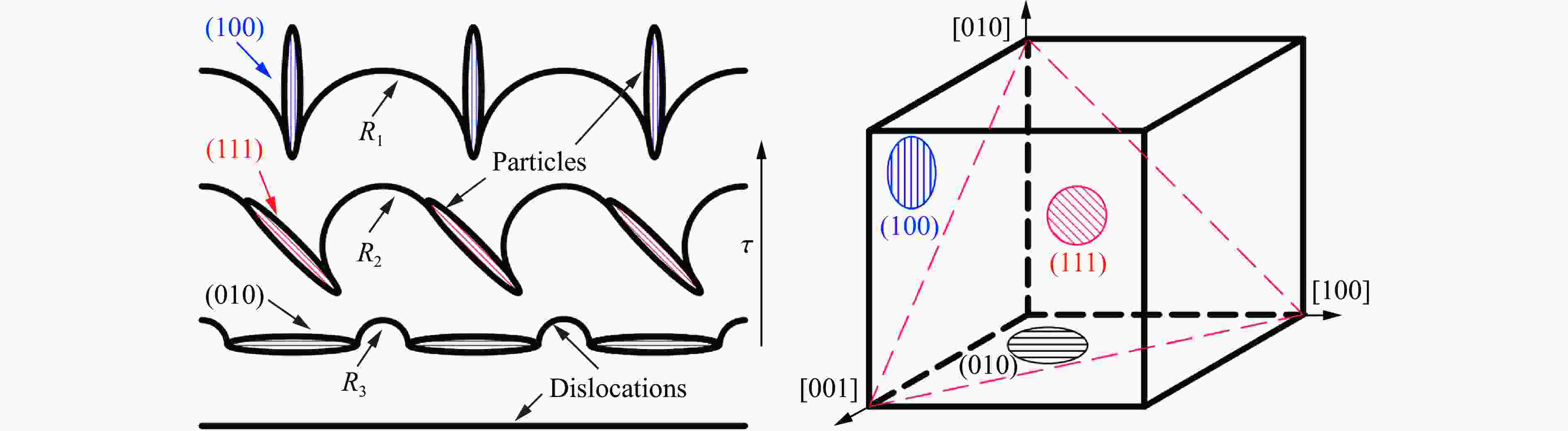
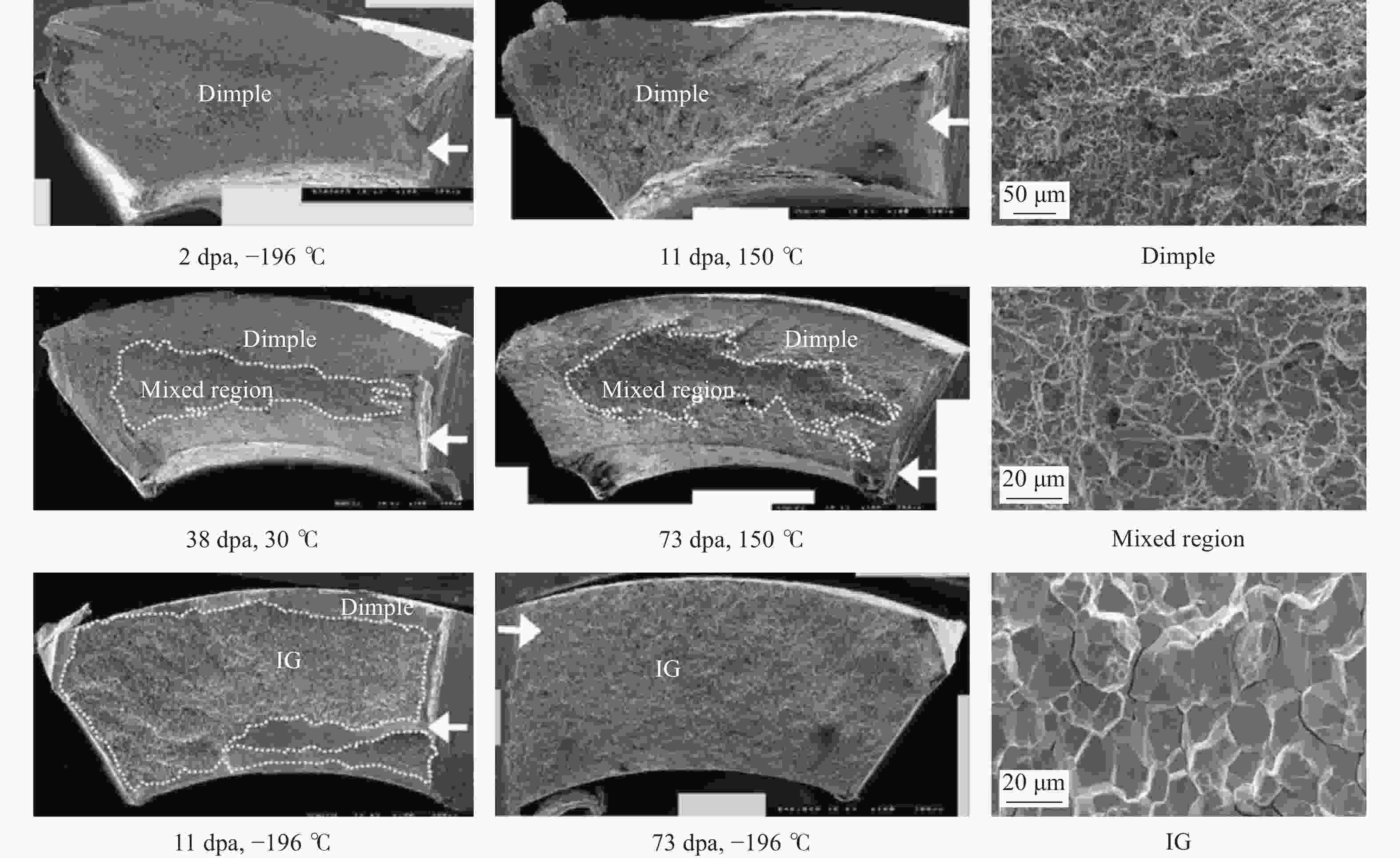
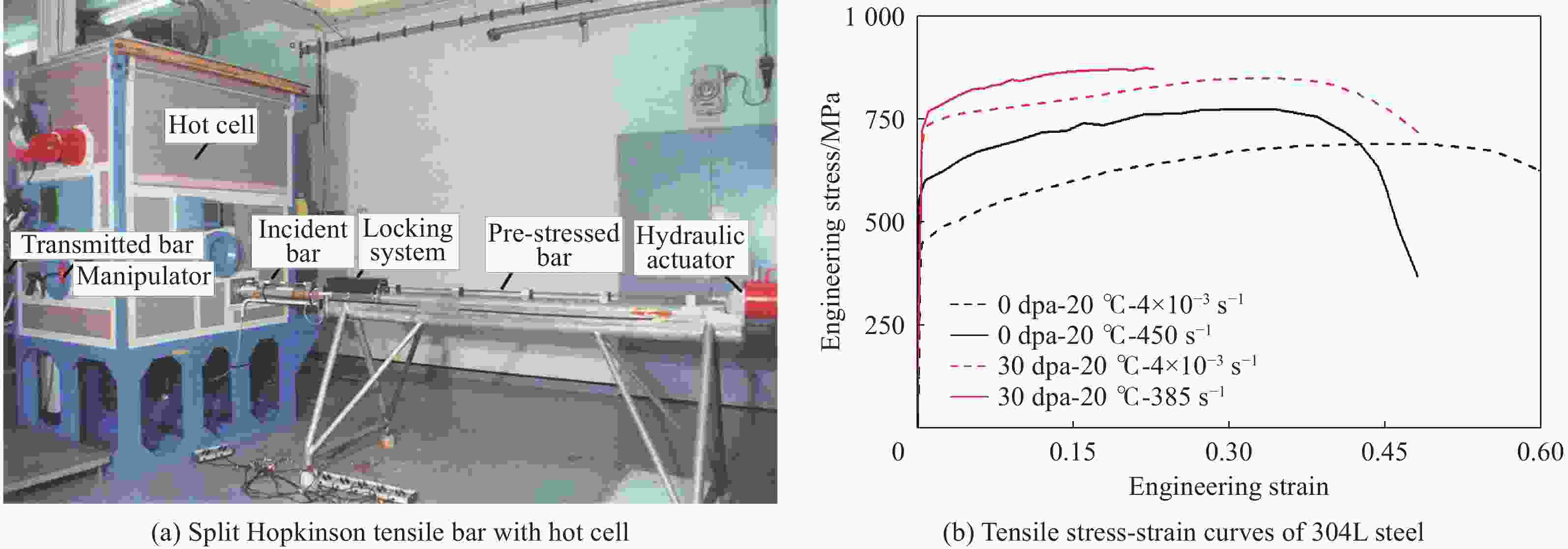
图 2 中子辐照金属材料的准静态拉伸性能
Figure 2. Quasi-static tensile properties of neutron irradiation metallic materials
-
[1] RSEM. In-service inspection rules for the mechanical components of PWR nuclear islands, Addendum 2005 [R]. France: French society for design, 2005. [2] DE VRIES P C, PAUTASSO G, HUMPHREYS D, et al. Requirements for triggering the ITER disruption mitigation system [J]. Fusion Science and Technology, 2016, 69(2): 471–484. DOI: 10.13182/fst15-176. [3] 中国核能行业协会, 中核战略规划研究总院有限公司, 中智科学技术评价研究中心. 中国核能发展报告: 2024 [R]. 北京: 社会科学文献出版社, 2024. [4] ZINKLE S J, WAS G S. Materials challenges in nuclear energy [J]. Acta Materialia, 2013, 61(3): 735–758. DOI: 10.1016/j.actamat.2012.11.004. [5] 肖厦子, 宋定坤, 楚海建, 等. 金属材料力学性能的辐照硬化效应 [J]. 力学进展, 2015, 45(1): 141–178. DOI: 10.6052/1000-0992-14-071.XIAO X Z, SONG D K, CHU H J, et al. Irradiation hardening for metallic materials [J]. Advances in Mechanics, 2015, 45(1): 141–178. DOI: 10.6052/1000-0992-14-071. [6] CHEN Z A, WANG L Y, CHAO Y J, et al. A constraint-equivalent approach for assessing fracture toughness of RPV steels under neutron irradiation [J]. Nuclear Engineering and Design, 2012, 250: 53–59. DOI: 10.1016/j.nucengdes.2012.05.037. [7] SINGH B N, EDWARDS D J, TOFT P. Effect of neutron irradiation and post-irradiation annealing on microstructure and mechanical properties of OFHC-copper [J]. Journal of Nuclear Materials, 2001, 299(3): 205–218. DOI: 10.1016/S0022-3115(01)00698-5. [8] ILCHUK N, SPÄTIG P, ODETTE G R. Fracture toughness characterization in the lower transition of neutron irradiated Eurofer97 steel [J]. Journal of Nuclear Materials, 2013, 442(1/2/3): S58–S61. DOI: 10.1016/j.jnucmat.2013.01.002. [9] ODETTE G R, ALINGER M J, WIRTH B D. Recent developments in irradiation-resistant steels [J]. Annual Review of Materials Research, 2008, 38(1): 471–503. DOI: 10.1146/annurev.matsci.38.060407.130315. [10] JEAC. Nuclear reactor pressure vessel structural material surveillance test method: JEAC 4201 [R]. JEAC, 1991. [11] 王荣山, 徐超亮, 黄平, 等. 反应堆压力容器钢的辐照脆化预测模型研究 [J]. 原子能科学技术, 2014, 48(10): 1862–1866. DOI: 10.7538/yzk.2014.48.10.1862.WANG R S, XU C L, HUANG P, et al. Study on prediction model of irradiation embrittlement for reactor pressure vessel steel [J]. Atomic Energy Science and Technology, 2014, 48(10): 1862–1866. DOI: 10.7538/yzk.2014.48.10.1862. [12] BRAGER H R, GARNER F A, GUTHRIE G L. The effect of stress on the microstructure of neutron irradiated type 316 stainless steel [J]. Journal of Nuclear Materials, 1977, 66(3): 301–321. DOI: 10.1016/0022-3115(77)90119-2. [13] GARNER F A, FLINN J E, HALL M M. Anisotropic swelling observed during stress-free reirradiation of AISI 304 tubes previously irradiated under stress [J]. Journal of Nuclear Materials, 2009, 386–388: 249–253. DOI: 10.1016/j.jnucmat.2008.12.105. [14] MIYASHIRO S, FUJITA S, OKITA T. MD simulations to evaluate the influence of applied normal stress or deformation on defect production rate and size distribution of clusters in cascade process for pure Cu [J]. Journal of Nuclear Materials, 2011, 415(1): 1–4. DOI: 10.1016/j.jnucmat.2011.03.056. [15] BRAGER H R, GILBERT E R, STRAALSUND J L. The effect of stress on the microstructure of neutron irradiated cold worked type 316 stainless steel [J]. Radiation Effects, 1974, 21(1): 37–50. DOI: 10.1080/10420157408230810. [16] OKAMOTO P R, HARKNESS S D. Stress-biased loop nucleation in irradiated type 316 stainless steel [J]. Journal of Nuclear Materials, 1973, 48(2): 204–206. DOI: 10.1016/0022-3115(73)90157-8. [17] HALL M M Jr. Stress state dependence of in-reactor creep and swelling: Part I: Continuum plasticity model [J]. Journal of Nuclear Materials, 2010, 396(1): 112–118. DOI: 10.1016/j.jnucmat.2009.10.063. [18] GARNER F A, MAKENAS B J, CHASTAIN S A. Swelling and creep observed in AISI 304 fuel pin cladding from three MOX fuel assemblies irradiated in EBR-II [J]. Journal of Nuclear Materials, 2011, 413(1): 53–61. DOI: 10.1016/j.jnucmat.2011.03.055. [19] ANDO M, NOZAWA T, HIROSE T, et al. Effect of helium on irradiation creep behavior of B-Doped F82H irradiated in HFIR [J]. Fusion Science and Technology, 2015, 68(3): 648–651. [20] XU C, WAS G S. Anisotropic dislocation loop distribution in alloy T91 during irradiation creep [J]. Journal of Nuclear Materials, 2014, 454(1/2/3): 255–264. DOI: 10.1016/j.jnucmat.2014.07.062. [21] YE X P, HU J B, GU Y Q, et al. Effects of pre-stress on the mechanical properties and microstructure of neutron-irradiated high-purity aluminum [J]. Journal of Nuclear Materials, 2023, 573: 154126. DOI: 10.1016/j.jnucmat.2022.154126. [22] HALL M M. Irradiation creep relaxation of void swelling-driven stresses [J]. Journal of Nuclear Materials, 2013, 432(1/2/3): 166–174. DOI: 10.1016/j.jnucmat.2012.08.015. [23] CHIN B A, STRAALSUND J L, WIRE G L. Effects of prior stress history on the irradiation creep of 20% cold-worked AISI 316 stainless steel [J]. Journal of Nuclear Materials, 1979, 83(2): 324–329. DOI: 10.1016/0022-3115(79)90618-4. [24] SINGH B N, EDWARDS D J, TAHTINEN S, et al. Final report on in-reactor tensile tests on OFHC-copper and CuCrZr alloys [R]. Roskilder: Risø National Laboratory, 2004. [25] SINGH B N, TÄHTINEN S, MOILANEN P, et al. In-reactor uniaxial tensile testing of pure copper at a constant strain rate at 90 °C [J]. Journal of Nuclear Materials, 2003, 320(3): 299–304. DOI: 10.1016/S0022-3115(03)00234-4. [26] XU Q, YOKOTANI T, ZHANG J. Microstructural evolution and changes in mechanical property of irradiated Fe–0.6Cu alloy under uniaxial tension stress in reactor [J]. Radiation Effects and Defects in Solids, 2017, 172(3/4): 305–312. DOI: 10.1080/10420150.2017.1313842. [27] 乔建生, 尹世忠, 杨文. 反应堆压力容器材料辐照脆化预测模型研究 [J]. 核科学与工程, 2012, 32(2): 143–149. DOI: 10.3969/j.issn.0258-0918.2012.02.008.QIAO J S, YIN S Z, YANG W. Study on models for RPV material irradiation embrittlement prediction [J]. Nuclear Science and Engineering, 2012, 32(2): 143–149. DOI: 10.3969/j.issn.0258-0918.2012.02.008. [28] 王荣山, 徐超亮, 刘向兵, 等. 反应堆压力容器钢辐照脆化的影响因素分析 [J]. 中国冶金, 2014, 24(7): 1–5,26. DOI: 10.3969/j.issn.1006-9356.2014.07.002.WANG R S, XU C L, LIU X B, et al. Influence factors of nuclear power plant reactor pressure vessel on irradiation embrittlement [J]. China Metallurgy, 2014, 24(7): 1–5,26. DOI: 10.3969/j.issn.1006-9356.2014.07.002. [29] ALBERTINI C, CADONI E, SOLOMOS G. Advances in the Hopkinson bar testing of irradiated/non-irradiated nuclear materials and large specimens [J]. Philosophical Transactions of the Royal Society A: Mathematical, Physical and Engineering Sciences, 2014, 372(2015): 20130197. DOI: 10.1098/rsta.2013.0197. [30] 叶想平, 刘仓理, 蔡灵仓, 等. 中子辐照金属材料的脆化模型研究 [J]. 力学学报, 2019, 51(5): 1538–1544. DOI: 10.6052/0459-1879-19-025.YE X P, LIU C L, CAI L C, et al. A model of neutron irradiation embrittlement for metals [J]. Chinese Journal of Theoretical and Applied Mechanics, 2019, 51(5): 1538–1544. DOI: 10.6052/0459-1879-19-025. [31] 叶想平, 段志伟, 俞宇颖等. 预应变对中子辐照高纯铝拉伸性能的影响 [J]. 力学学报, 2020, 52(3): 797–804. DOI: 10.6052/0459-1879-19-370.YE X P, DUAN Z W, YU Y Y, et al. The effects of pre-strain on tensile properties of neutron irradiation high-purity aluminum [J]. Chinese Journal of Theoretical and Applied Mechanics, 2020, 52(3): 797–804. DOI: 10.6052/0459-1879-19-370. [32] 高寒雨, 李晓洁, 袁永龙. 俄乌冲突中乌克兰核设施安全风险分析 [C]//中国核学会2023年学术年会论文集. 西安: 中国核学会, 2023: 8.GAO H Y, LI X J, YUAN Y L. Analysis of Ukraine’s civilian nuclear infrastructure safety during Russia-Ukraine conflict [C]//Progress Report on China Nuclear Science and Technology. Xi’an: Chinese Nuclear Society, 2023: 8. [33] 叶想平. 中子辐照预应力和预应变状态高纯铝的动/静态力学性能变化规律及其微观机理 [D]. 北京: 中国工程物理研究院, 2020. DOI: 10.27498/d.cnki.gzgwy.2020.000004.YE X P. Dynamic and quasi-static mechanical properties and micro-mechanism of neutron irradiation high purity aluminum with different doses, pre-stress and pre-strain stations [D]. Beijing: The China Academy of Engineering Physics, 2020. DOI: 10.27498/d.cnki.gzgwy.2020.000004. [34] LIANG R Q, KHAN A S. A critical review of experimental results and constitutive models for BCC and FCC metals over a wide range of strain rates and temperatures [J]. International Journal of Plasticity, 1999, 15(9): 963–980. DOI: 10.1016/S0749-6419(99)00021-2. [35] ROBACH J S, ROBERTSON I M, WIRTH B D, et al. In-situ transmission electron microscopy observations and molecular dynamics simulations of dislocation-defect interactions in ion-irradiated copper [J]. Philosophical Magazine, 2003, 83(8): 955–967. DOI: 10.1080/0141861031000065329. [36] ARSENLIS A, WIRTH B D, RHEE M. Dislocation density-based constitutive model for the mechanical behaviour of irradiated Cu [J]. Philosophical Magazine, 2004, 84(34): 3617–3635. DOI: 10.1080/14786430412331293531. [37] BYUN T S, FARRELL K. Irradiation hardening behavior of polycrystalline metals after low temperature irradiation [J]. Journal of Nuclear Materials, 2004, 326(2/3): 86–96. DOI: 10.1016/j.jnucmat.2003.12.012. [38] BYUN T S, FARRELL K. Plastic instability in polycrystalline metals after low temperature irradiation [J]. Acta Materialia, 2004, 52(6): 1597–1608. DOI: 10.1016/j.actamat.2003.12.023. [39] BYUN T S, FARRELL K, HASHIMOTO N. Plastic instability behavior of bcc and hcp metals after low temperature neutron irradiation [J]. Journal of Nuclear Materials, 2004, 329-333: 998-1002. DOI: 10.1016/j.jnucmat.2004.04.071. [40] GUSSEV M N, FIELD K G, BUSBY J T. Deformation localization and dislocation channel dynamics in neutron-irradiated austenitic stainless steels [J]. Journal of Nuclear Materials, 2015, 460: 139–152. DOI: 10.1016/j.jnucmat.2015.02.008. [41] PORTNYKH I A, KOZLOV A V, PANCHENKO V L, et al. The mechanism of stress influence on swelling of 20% cold-worked 16Cr15Ni2MoTiMnSi steel [J]. Journal of Nuclear Materials, 2007, 367–370: 925–929. DOI: 10.1016/j.jnucmat.2007.03.257. [42] FABRITSIEV S A, POKROVSKY A S. Effect of irradiation temperature on microstructure, radiation hardening and embrittlement of pure copper and copper-based alloy [J]. Journal of Nuclear Materials, 2007, 367/368/369/370: 977–983. DOI: 10.1016/j.jnucmat.2007.03.056. [43] SINGH B N, FOREMAN A J E, TRINKAUS H. Radiation hardening revisited: role of intracascade clustering [J]. Journal of Nuclear Materials, 1997, 249(2/3): 103–115. DOI: 10.1016/S0022-3115(97)00231-6. [44] XU C, WAS G S. In situ proton irradiation creep of ferritic-martensitic steel T91 [J]. Journal of Nuclear Materials, 2013, 441(1/2/3): 681–687. DOI: 10.1016/j.jnucmat.2013.03.046. [45] WAS G S. Challenges to the use of ion irradiation for emulating reactor irradiation [J]. Journal of Materials Research, 2015, 30(9): 1158–1182. DOI: 10.1557/jmr.2015.73. [46] FUJII K, FUKUYA K, KASADA R, et al. Effects of stress on radiation hardening and microstructural evolution in A533B steel [J]. Journal of Nuclear Materials, 2010, 407(3): 151–156. DOI: 10.1016/j.jnucmat.2010.09.055. [47] CHEN Y, SPÄTIG P, VICTORIA M. The mechanical properties of 590 MeV proton irradiated iron [J]. Journal of Nuclear Materials, 1999, 271/272: 128–132. DOI: 10.1016/s0022-3115(98)00702-8. [48] 乔建生, 杨文. 反应堆压力容器材料辐照脆化机理研究进展 [J]. 原子能科学技术, 2012, 46(4): 480–486.QIAO J S, YANG W. Study development on irradiation embrittlement mechanism of RPV material [J]. Atomic Energy Science and Technology, 2012, 46(4): 480–486. [49] 李建洋, 张崇宏, 杨义涛. Fe-C合金中辐照缺陷特征的剂量率效应计算模拟 [J]. 装备环境工程, 2022, 19(1): 50–55. DOI: 10.7643/issn.1672-9242.2022.01.008.LI J Y, ZHANG C H, YANG Y T. Dose-rate effect simulation of radiation defect characteristics in Fe-C alloys [J]. Equipment Environmental Engineering, 2022, 19(1): 50–55. DOI: 10.7643/issn.1672-9242.2022.01.008. [50] ZHOU W, TIAN J T, FENG Q J, et al. Molecular dynamics simulations of high-energy displacement cascades in hcp-Zr [J]. Journal of Nuclear Materials, 2018, 508: 540–545. DOI: 10.1016/j.jnucmat.2018.06.002. [51] 吴亚贞, 李国云, 王海东, 等. 中子注量率对低铜RPV钢辐照脆化效应的影响 [J]. 原子能科学技术, 2025, 59(5): 1114–1119. DOI: 10.7538/yzk.2024.youxian.0601.WU Y Z, LI G Y, WANG H D, et al. Effect of neutron fluence rate on irradiation embrittlement of low-copper RPV steel [J]. Atomic Energy Science and Technology, 2025, 59(5): 1114–1119. DOI: 10.7538/yzk.2024.youxian.0601. [52] BYUN T S, FARRELL K, LI M M. Deformation in metals after low-temperature irradiation: Part II – Irradiation hardening, strain hardening, and stress ratios [J]. Acta Materialia, 2008, 56(5): 1056–1064. DOI: 10.1016/j.actamat.2007.10.056. [53] BYUN T S, HASHIMOTO N, FARRELL K. Temperature dependence of strain hardening and plastic instability behaviors in austenitic stainless steels [J]. Acta Materialia, 2004, 52(13): 3889–3899. DOI: 10.1016/j.actamat.2004.05.003. [54] 微信公众号: 高熵材料. 中子辐照损伤-揭秘聚变堆结构材料的“中子浴火”重生之路. 2026. [55] BYUN T S, LI M M, FARRELL K. Dose dependence of strength after low-temperature irradiation in metallic materials [J]. Metallurgical and Materials Transactions A, 2013, 44(1): 84–93. DOI: 10.1007/s11661-012-1309-z. [56] KOJIMA S, ZINKLE S J, HEINISCH H L. Radiation hardening in neutron-irradiated polycrystalline copper: Barrier strength of defect clusters [J]. Journal of Nuclear Materials, 1991, 179/180/181: 982-985. DOI: 10.1016/0022-3115(91)90255-6. [57] LUCAS G E. The evolution of mechanical property change in irradiated austenitic stainless steels [J]. Journal of Nuclear Materials, 1993, 206(2/3): 287–305. DOI: 10.1016/0022-3115(93)90129-M. [58] ODETTE G R, FREY D. Development of mechanical property correlation methodology for fusion environments [J]. Journal of Nuclear Materials, 1979, 85/86: 817-822. DOI: 10.1016/0022-3115(79)90360-x. [59] DIMELFI R J, ALEXANDER D E, REHN L E. Post-yield strain hardening behavior as a clue to understanding irradiation hardening [J]. Journal of Nuclear Materials, 1998, 252(1/2): 171–177. DOI: 10.1016/S0022-3115(97)00316-4. [60] BYUN T S, FARRELL K, LI M M. Deformation in metals after low-temperature irradiation: Part I-Mapping macroscopic deformation modes on true stress-dose plane [J]. Acta Materialia, 2008, 56(5): 1044–1055. DOI: 10.1016/j.actamat.2007.10.061. [61] BYUN T S, HASHIMOTO N. Strain hardening and long-range internal stress in the localized deformation of irradiated polycrystalline metals [J]. Journal of Nuclear Materials, 2006, 354(1/2/3): 123–130. DOI: 10.1016/j.jnucmat.2006.02.099. [62] BYUN T S. Dose dependence of true stress parameters in irradiated bcc, fcc, and hcp metals [J]. Journal of Nuclear Materials, 2007, 361(2/3): 239–247. DOI: 10.1016/j.jnucmat.2006.12.014. [63] HASHIMOTO N, BYUN T S, FARRELL K, et al. Deformation microstructure of neutron-irradiated pure polycrystalline metals [J]. Journal of Nuclear Materials, 2004, 329/330/331/332/333: 947-952. DOI: 10.1016/j.jnucmat.2004.04.063. [64] VICTORIA M, BALUC N, BAILAT C, et al. The microstructure and associated tensile properties of irradiated fcc and bcc metals [J]. Journal of Nuclear Materials, 2000, 276(1/2/3): 114–122. DOI: 10.1016/S0022-3115(99)00203-2. [65] MASAYUKI K, MASAHIRO K. True stress-strain curves of cold worked stainless steel over a large range of strains [J]. Journal of Nuclear Materials: Materials Aspects of Fission and Fusion, 2014, 451(1/2/3): 264–275. DOI: 10.1016/j.jnucmat.2014.04.006. [66] MILLER M K, RUSSELL K F. Embrittlement of RPV steels: An atom probe tomography perspective [J]. Journal of Nuclear Materials, 2007, 371: 145–160. [67] MILLER M K, RUSSELL K F, KOCIK J, et al. Embrittlement of low copper VVER 440 surveillance samples neutron-irradiated to high fluences [J]. Journal of Nuclear Materials, 2000, 282(1): 83–88. [68] 邓平, 彭群家, 韩恩厚, 等. 国产核用不锈钢辐照损伤研究 [J]. 金属学报, 2017, 53(12): 1588–1602. DOI: 10.11900/0412.1961.2017.00117.DENG P, PENG Q J, HAN E H, et al. Study of irradiation damage in domestically fabricated nuclear grade stainless steel [J]. Acta Metallurgica Sinica, 2017, 53(12): 1588–1602. DOI: 10.11900/0412.1961.2017.00117. [69] XIA T J, JIANG Z Y, WANG Z Z, et al. Interaction between hydrogen and helium in tungsten successively exposed by helium and hydrogen plasma [J]. Journal of Nuclear Materials, 2023, 574: 154184. DOI: 10.1016/j.jnucmat.2022.154184. [70] SHANG Z X, NIU T J, SUN T Y, et al. In situ study on radiation response of a nanotwinned steel [J]. Scripta Materialia, 2022, 220: 114920. DOI: 10.1016/j.scriptamat.2022.114920. [71] BEYERLEIN I J, CARO A, DEMKOWICZ M J, et al. Radiation damage tolerant nanomaterials [J]. Materials Today, 2013, 16(11): 443–449. DOI: 10.1016/j.mattod.2013.10.019. [72] ODETTE G R, HOELZER D T. Irradiation-tolerant nanostructured ferritic alloys: transforming helium from a liability to an asset [J]. JOM, 2010, 62(9): 84–92. DOI: 10.1007/s11837-010-0144-1. [73] DIAO S Z, ZHAO Q, WANG S L, et al. The microstructure evolution and irradiation hardening in 15Cr-ODS steel irradiated by helium ions [J]. Materials Characterization, 2022, 184: 111699. DOI: 10.1016/j.matchar.2021.111699. [74] SHEN J J, NAGASAKA T, MUROGA T, et al. Study on anisotropy in microstructure and tensile properties of the 12Cr oxide dispersion strengthened (ODS) steel [J]. Fusion Engineering and Design, 2019, 146: 1082–1085. DOI: 10.1016/j.fusengdes.2019.02.011. [75] JIAO Z, WAS G S. The role of irradiated microstructure in the localized deformation of austenitic stainless steels [J]. Journal of Nuclear Materials, 2010, 407(1): 34–43. DOI: 10.1016/j.jnucmat.2010.07.006. [76] 叶想平, 李英雷, 翁继东, 等. 颗粒增强金属基复合材料的强化机理研究现状 [J]. 材料工程, 2018, 46(12): 28–37. DOI: 10.11868/j.issn.1001-4381.2016.001214.YE X P, LI Y L, WENG J D, et al. Research status on strengthening mechanism of particle-reinforced metal matrix composites [J]. Journal of Materials Engineering, 2018, 46(12): 28–37. DOI: 10.11868/j.issn.1001-4381.2016.001214. [77] OROWAN E. In symposium on internal stresses in metals and alloys [R]. London: Institute of Metals, 1948: 451. [78] KIM J H, LEE M G, KIM D, et al. Micromechanics-based strain hardening model in consideration of dislocation-precipitate interactions [J]. Metals and Materials International, 2011, 17(2): 291–300. DOI: 10.1007/s12540-011-0417-4. [79] LUPPO M I, BAILAT C, SCHÄUBLIN R, et al. Tensile properties and microstructure of 590 MeV proton-irradiated pure Fe and a Fe–Cr alloy [J]. Journal of Nuclear Materials, 2000, 283/284/285/286/287: 483–487. DOI: 10.1016/s0022-3115(00)00370-6. [80] LUFT A. Microstructural processes of plastic instabilities in strengthened metals [J]. Progress in Materials Science, 1991, 35(2): 97–204. DOI: 10.1016/0079-6425(91)90002-B. [81] SINGH B N, ZINKLE S J. Defect accumulation in pure fcc metals in the transient regime: a review [J]. Journal of Nuclear Materials, 1993, 206(2/3): 212–229. DOI: 10.1016/0022-3115(93)90125-I. [82] WAS G S, FARKAS D, Robertson I M. Micromechanics of dislocation channeling in intergranular stress corrosion crack nucleation [J]. Current Opinion in Solid State and Materials Science, 2012, 16(3): 134–142. DOI: 10.1016/j.cossms.2012.03.003. [83] COTTRELL A H, STOKES R J. Effects of temperature on the plastic properties of aluminium crystals [J]. Proceedings of the Royal Society of London. Series A: Mathematical and Physical Sciences, 1955, 233(1192): 17–34. DOI: 10.1098/rspa.1955.0243. [84] PENG S Y, JIN K, YI X, et al. Mechanical behavior of the HfNbZrTi high entropy alloy after ion irradiation based on micro-pillar compression tests [J]. Journal of Alloys and Compounds, 2022, 892: 162043. DOI: 10.1016/j.jallcom.2021.162043. [85] SADEGHILARIDJANI M, AYYAGARI A, MUSKERI S, et al. Ion irradiation response and mechanical behavior of reduced activity high entropy alloy [J]. Journal of Nuclear Materials, 2020, 529: 151955. DOI: 10.1016/j.jnucmat.2019.151955. [86] EL-ATWANI O, LI N, LI M, et al. Outstanding radiation resistance of tungsten-based high-entropy alloys [J]. Science Advances, 2019, 5(3): eaav2002. DOI: 10.1126/sciadv.aav2002. [87] 陈阳, 彭静, 李甲, 等. 高熵合金辐照硬化与力学性能研究 [J]. 固体力学学报, 2020, 41(6): 600–613. DOI: 10.19636/j.cnki.cjsm42-1250/o3.2020.037.LI Y, PENG J, LI J, et al. Irradiation hardening and mechanical properties of high-entropy alloy [J]. Chinese Journal of Solid Mechanics, 2020, 41(6): 600–613. DOI: 10.19636/j.cnki.cjsm42-1250/o3.2020.037. [88] 靳柯, 卢晨阳, 豆艳坤, 等. 高熵合金辐照损伤的实验研究进展 [J]. 材料导报, 2020, 34(9): 17018–17030. DOI: 10.11896/cldb.20040078.JIN K, LU C Y, DOU Y K, et al. Advances in experimental research on irradiation damage of high- entropy alloys [J]. Materials Reports, 2020, 34(9): 17018–17030. DOI: 10.11896/cldb.20040078. [89] FAN C C, LI C Y, PARISH C M, et al. Helium effects on the surface and subsurface evolutions in single-crystalline tungsten [J]. Acta Materialia, 2021, 203: 116420. DOI: 10.1016/j.actamat.2020.10.039. [90] LIU L X, QIU R Y, CHEN Y C, et al. Displacement cascades database from molecular dynamics simulations in tungsten [J]. Journal of Nuclear Materials, 2023, 580: 154415. DOI: 10.1016/j.jnucmat.2023.154415. [91] ZHU F, ZHOU F, ZHANG Q, et al. Crystal-orientation-dependence of irradiation damage in CoCrFeNiMn alloy under heavy ion irradiation at 500°C [J]. Journal of Nuclear Materials, 2025, 608: 155729. DOI: 10.1016/j.jnucmat.2025.155729. [92] RHODE M, RICHTER T, SCHROEPFER D, et al. Welding of high-entropy alloys and compositionally complex alloys-an overview [J]. Welding in the World, 2021, 65(8): 1645–1659. DOI: 10.1007/s40194-021-01110-6. [93] LI C Y, HU X X, YANG T F, et al. Neutron irradiation response of a Co-free high entropy alloy [J]. Journal of Nuclear Materials, 2019, 527: 151838. DOI: 10.1016/j.jnucmat.2019.151838. [94] LU C Y, YANG T N, JIN K, et al. Radiation-induced segregation on defect clusters in single-phase concentrated solid-solution alloys [J]. Acta Materialia, 2017, 127: 98–107. DOI: 10.1016/j.actamat.2017.01.019. [95] FARRELL K, BYUN T S, HASHIMOTO N. Deformation mode maps for tensile deformation of neutron-irradiated structural alloys [J]. Journal of Nuclear Materials, 2004, 335(3): 471–486. DOI: 10.1016/j.jnucmat.2004.08.006. [96] ZHANG Y W, ZHAO S J, WEBER W J, et al. Atomic-level heterogeneity and defect dynamics in concentrated solid-solution alloys [J]. Current Opinion in Solid State and Materials Science, 2017, 21(5): 221–237. DOI: 10.1016/j.cossms.2017.02.002. [97] YU P J, DU J P, Shinzato S, et al. Theory of history-dependent multi-layer generalized stacking fault energy-A modeling of the micro-substructure evolution kinetics in chemically ordered medium-entropy alloys [J]. Acta Materialia, 2022, 224: 117504. DOI: 10.1016/j.actamat.2021.117504. [98] NAGHDI A, DOMÍNGUEZ-GUTIÉRREZ F J, HUO W Y, et al. Dynamic nanoindentation and short-range order in equiatomic NiCoCr medium-entropy alloy lead to novel density wave ordering [J]. Physical Review Letters, 2024, 132(11): 116101. DOI: 10.1103/PhysRevLett.132.116101. [99] KEDHARNATH A, SARKAR A, KAPOOR R, et al. Irradiation studies on a reactor pressure vessel steel using Fe+ ion [J]. Materials Research Express, 2019, 6(10): 1065c5. DOI: 10.1088/2053-1591/ab3f8b. [100] LAMBRECHT M, MESLIN E, MALERBA L, et al. On the correlation between irradiation-induced microstructural features and the hardening of reactor pressure vessel steels [J]. Journal of Nuclear Materials, 2010, 406(1): 84–89. DOI: 10.1016/j.jnucmat.2010.05.020. [101] MCCLINTOCK D A, GUSSEV M N, CAMPBELL C, et al. Characterization of mechanical properties and deformation behavior of highly irradiated 316L stainless steel from target modules at the Spallation Neutron Source using digital image correlation analysis [J]. Journal of Nuclear Materials, 2021, 545: 152729. DOI: 10.1016/j.jnucmat.2020.152729. [102] WHARRY J P, SWENSON M J, YANO K H. A review of the irradiation evolution of dispersed oxide nanoparticles in the b. c. c. Fe-Cr system: current understanding and future directions [J]. Journal of Nuclear Materials, 2017, 486: 11–20. DOI: 10.1016/j.jnucmat.2017.01.009. [103] NUNOGAKI M, KUWAHARA H, AOKI N, et al. Dose rate dependence of critical dose on blistering in 40 keV-He-irradiated 316 SS, bulk-Ti and Ti-Film [J]. Technology Reports of the Osaka University, 1983, 33(1713): 253–256. [104] DING Y F, RAN G, LI Y P, et al. Effect of dose rate on dislocation loop evolution in tungsten: combination of defect generation rate and elastic interaction [J]. Scripta Materialia, 2023, 222: 115054. DOI: 10.1016/J.SCRIPTAMAT.2022.115054. [105] SHU S P, ALMIRALL N, WELLS P B, et al. Precipitation in Fe-Cu and Fe-Cu-Mn model alloys under irradiation: dose rate effects [J]. Acta Materialia, 2018, 157: 72–82. DOI: 10.1016/j.actamat.2018.07.017. [106] KASADA R, KUDO T, KIMURA A, et al. Effects of neutron dose, dose rate, and irradiation temperature on the irradiation embrittlement of a low-copper reactor pressure vessel steel [C]//Effects of Radiation on Materials: 22nd Symposium. Boston: ASTM International, 2004. [107] 杨文斗. 反应堆材料学 [M]. 北京: 原子能出版社, 2000: 173–174. [108] Electric Power Research Institute (EPRI). Review of dose rate effects on RPV embrittlement [R]. Hillview Avenue: EPRI, 2002. [109] DEBARBERIS L, SEVINI F. Integrity of reactor pressure vessels in nuclear power plants: assessment of irradiation embrittlement effects in reactor pressure vessel steels [M]//IAEA. Integrity of Reactor Pressure Vessels in NPPs. Vienna: IAEA, 2009. [110] LANGER R, BARTSCH R, FOEHL J. Irradiation results for different reactors [C]//Workshop on Dose Rate Effects in Reactor Pressure Vessel Materials, Squaw Creek. Canada, 2001. [111] 王荣山, 徐超亮, 黄平, 等. 反应堆压力容器钢辐照硬化脆化的中子注量率效应 [J]. 科技导报, 2014, 32(31): 80–84. DOI: 10.3981/j.issn.1000-7857.2014.31.012.WANG R S, XU C L, HUANG P, et al. Summaries of neutron fluence rate effects on hardening and embrittlement of nuclear reactor pressure vessel steels [J]. Science and Technology Review, 2014, 32(31): 80–84. DOI: 10.3981/j.issn.1000-7857.2014.31.012. [112] FUKUYA K, NISHIOKA H, FUJII K, et al. Fracture behavior of austenitic stainless steels irradiated in PWR [J]. Journal of Nuclear Materials, 2008, 378(2): 211–219. DOI: 10.1016/j.jnucmat.2008.06.028. -

 下载:
下载:
图(16)
计量
- 文章访问数: 407
- HTML全文浏览量: 176
- PDF下载量: 164
- 被引次数: 0